0
0

ISLAMABAD, April 14: Need to evolve a comprehensive strategy to eradicate poverty was stressed at a discussion on poverty alleviation here on Friday.
The discussants at the event organised by the newly-formed South Asian Policy Analysis Network (SAPANA) observed that poverty reduction could help address a number of other problems that were in fact generated by poverty.
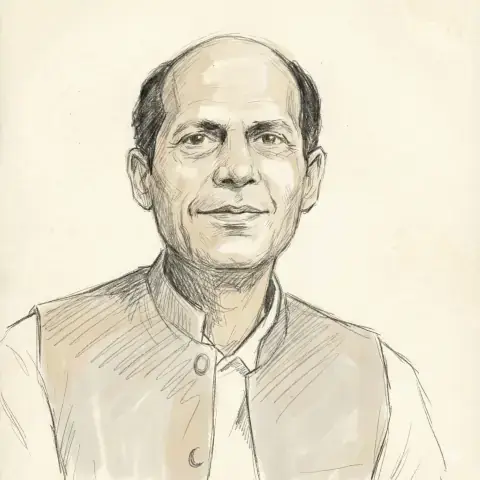
Trust for Voluntary Organizations (TVO) Chief Executive Iqbal Jaffar, while speaking on the occasion, said poverty was the biggest problem that gave birth to other problems.
He observed that the problem of poverty could be addressed by honestly implementing globalization. Elaborating his point he said there should be free flow of labour, goods and capital. He said the West had placed a ban on flow of labour through legislative measures involving immigration laws.
He said agricultural goods could not be exported from Pakistan to the United States and Europe as the same were available there on subsidised rates. He said likewise, flow of capital was also not free.
About the inequitable distribution of wealth, he said there were 53 countries having Gross National Income (GNI) below $10 billion per annum while top 50 individuals possessed more than $10 billion each.
He said there were 793 billionaires in the world, adding that Bill Gates alone had assets over $50 billion.
Answering a question, Mr Iqbal Jaffar said Pakistan’s confrontation with India did not allow its rulers to question and face other challenges of vested interests in the country, which caused various socio-economic disparity.
Asked if democracy helped alleviate poverty, he said democratic rule was the only sensible way of governance. He said China had made progress under an authoritarian rule, but it could not be said that what authoritarian China had done could not have been done by democratic China.
He said China was moving on the way of democratic dispensation after achieving the objectives of progress and prosperity.
Senior Adviser United Nations Development Programme (UNDP) Fayyaz Baqir said there was no contradiction between Islam and modernization. He regretted that modernization was replaced by extremism a few years after the emergence of Pakistan.
He said for the last 25 years, efforts had been made to alleviate poverty through non-governmental institutions, which could not succeed.
He was of the view that public involvement in the process of policy formulation and development was essential. He said the right to vote once after five years was not enough for the people. He noted that the people should have a role in election of leaders of political parties and constitutional amendments.