0
0

KATHMANDU, April 16: Nepal’s police fought thousands of protesters with tear gas and rubber bullets on Sunday as an anti-monarchy campaign widened dramatically into the tourist heartland of the capital.
An alliance of seven political parties leading the campaign against King Gyanendra called on citizens to stop paying taxes and asked the police and army to join the protests.
Several people were injured and dozens were arrested in the clashes that left the streets of Kathmandu strewn with stones and burning rubber tyres.
“We will burn the crown and run the country,” youths shouted, dancing around a bonfire in the Thamel tourist district in the heart of the city. They kept shouting: “Death to the government”.
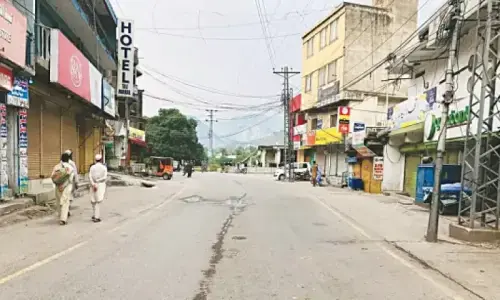
Many vehicles were off the street on the 11th day of a general strike called by political parties demanding restoration of democracy, and thousands walked to work. Sunday is a working day in Nepal and there was no holiday for Easter.
Thamel is a maze of alleys in the centre of the capital full of backpacker hotels, bars, curio shops and trekking and travel agencies that is a magnet for most tourists entering the country, but has also been immune to the current unrest.
In the Balakhu district, thousands of protesters battled police with stones, as police lobbed tear gas shells at them repeatedly. Police fired several rounds of rubber bullets to scatter the activists.
King Gyanendra sacked the government and assumed full power in February 2005. The seven-party political alliance, which has been opposing him since then, launched a general strike on April 6, bringing the nation to a standstill.
On Sunday, the parties upped the stakes.
“We ask taxpayers not to pay any tax to the government, civil servants to disobey orders and security forces to take off their uniforms and join the people,” said Krishna Prasad Sitaula of the Nepali Congress, the country’s biggest political party.
FOREIGN ENCLAVE: The unrest in Thamel, which many Nepalese consider a foreign enclave, was unusual. The district has usually been insulated from protests because of worries it would affect the tourist trade, a main source of the impoverished kingdom’s earnings.
Local businessmen said they could no longer afford to ignore the campaign against the king.
“We thought democracy was for politicians, but we made a mistake,” said a protester.
—Reuters