



 0
0

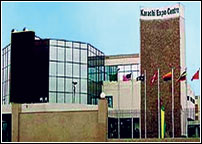 THERE was not a single dull day over the last month or so. Talk shows on numerous channels must be enjoying higher viewer-ship than sitcoms and soap operas. The fact is that the nation has been too preoccupied with dramatic happenings in Islamabad to notice Expo 2007 that concluded recently in Karachi.
The focus on politics in the media must also have contributed to the scant coverage that the event got. The costly Rs150 million mega trade show did not create any of the export hype it promised. The five days international exhibition manned by the Trade Development Authority of Pakistan (TDAP) attracted trade-related officials and private sector representatives from 79 countries. On the last day it was opened for public. The exact number of exhibitors was not available on the expo website.
Seniors at TDAP confirmed that full hospitality was provided to about 550 foreign guests -- (full hospitality includes air fares, full board and lodging). Some 200 foreign visitors paid for their travelling but were facilitated in logistics by the trade authority in Pakistan.
Many businessmen contacted by Dawn expressed frustration. In their view Expo 2007 neither generated enthusiastic participation by leading export houses nor attracted prospective buyers. Besides security management and delays in programme finalisation kept many potential participants out of the whole exercise. The organiser of the event at TDAP was contacted for their side of the story. Chairman TDAP Tariq Ikram, however, was on sick leave and Vice Chairman Naveed Arif was in Australia. Other officers were reluctant to make a formal comment.
Dismissing critique, the TDAP officers insisted that the event was better managed this year than ever before. According to details posted on the website of Expo 2007 exhibitors, divided into five distinct service groups, displayed their wares in neatly done stalls in Expo Centre spread over 230,000sq metres.. Five groups include: (i) high tech products such as IT and services, engineering goods, automobile parts, etc. (ii) healthcare products: surgical goods, cutlery, chemical and pharmaceuticals and hospital goods, (iii) food products including fruits and processed food, rice wheat, etc. (iv) home décor products including furniture, carpets, handicrafts, home textile etc, (v) fashion products including fashion garments, knitwear, leather garments.
A local businessman Mohammad Nasir told Dawn that this year many stalls were erected by sponsors such as National Bank, Pakistan International Airlines, State Life, etc. Leading drug and food companies did not even bother to participate. “There were huge stalls of sponsors such as PIA, NBP, etc. probably to make up for the absence of giant drugs and textile companies. Even the seminar was weak”, Nasir said.
“There is always room for improvement but we pulled through quiet well as many visitors showed interest in a variety of Pakistani products. We also arranged numerous match-making sessions between local and foreign visitors during and after the exhibition”, an officer who wished not to be identified said. “Private sector in Pakistan is very secretive. We believe that there are many deals at different stages of maturity that we do not know of. I have yet to come across a businessman who is not distressed. The private sector in Pakistan is rolling in riches but their industry stay sick come what it may”, he said.
A leading exporter and head of Al Karam Textile Mills Rafique Ibrahim rubbished TDAP views and termed Expo a non event. “No matter how much we spend to bring foreigners for the exhibition ,it will not help to boost textile exports unless we quote attractive price. You can dine and wine and take them around but you cannot force anyone to buy products that are available cheaper next door”, he said.
“I feel abolition of the export development surcharge could have served exporters better than the Expo 2007 as it would have trimmed the cost of production by the same margin”, Ibrahim said. “Our competitors in the region are snatching our buyers by quoting cheaper prices. They are being supported by their respective governments but here the government seem to be inclined to push whatever little industrial base is there into closure”, he complained. In his view amongst foreign visitors, genuine buyers are not more than 10 per cent.
The government uses Export Development Fund collected from exporters to finance trade promotional activities including the expo.
Pakistan’s exports are increasing at a rate much less than the expected. The spiralling trade deficit to highest ever Rs9.9 billion poses a serious threat to the sustainability of the GDP growth rate and macro economic stability.
“If government wants to promote export it should first support our industry for production of exportable surpluses rather than spending lavishly on free riders in the name of trade promotion. Who doesn’t know that EDF is used to pamper favourites in bureaucracy and individuals related to those in power. Event management consultancy awarded contract for Expo 2007 is headed by son of an active vocal supporter of the military-led government. About 80 per cent of visitors are non-resident Pakistanis related to officers in Pakistan’s missions abroad”, another business leader said bitterly.
Tanvir Ahmed Sheikh, President of the Federation of Pakistan Chambers of Commerce and Industry, also expressed disappointment with the Expo 2007 but attributed below the mark performance to the delay in finalisation of the programme. “I was in the committee and I know that the programme was not finalised even by early March when it should have been concluded at least six months earlier”. He was also not quite happy with the quality of visitors.
Shabir Ahmed, a proactive business leader and a bed linen exporter said he favours Expo as the event provides a window of opportunity to businessmen to interact with their counterparts in other regions. He said that he did not notice any improvement in the management of the event this year. “Those are the same people who are now working in TDAP in place of Export Promotion Bureau”, he said.
Majyd Aziz, President Karachi Chamber of Commerce and Industry confirmed in a press statement that a very large number of delegates from India, China, Bangladesh, Poland, Germany, UK visited KCCI and made queries. He felt that Expo 2007 was well attended the fact that reflect renewed interest in Pakistan by foreign investors. He said that many delegates deplored the exorbitant hotel rates and expressed displeasure at the stiff attitude of the security personnel.
Masood Naqi, Chairman Korangi Association of Trade and Industry, criticised those members of business community whom he considered irresponsible and habitual critics of the government. “The private sector in Pakistan has proved to be short-sighted and narrow-minded, concerned exclusively with their private interest and not that of their class or country. They have not supported the Expo 2007 the way they should have”.
“In a country where people do not get safe drinking water and a decent living for paucity of public resources, spending millions on an exercise gains from which are neither clear nor quantifiable is not appropriate”, a development economist commented.




























