0
0

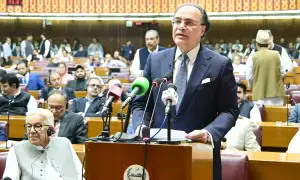
MOSCOW: Nato's failure to build a joint European missile shield with Moscow may force Russia to deploy new offensive weapons and trigger a new arms race, Russian President Dmitry Medvedev said Tuesday in a stern warning reflecting the deeply rooted Kremlin distrust of Western intentions.
Some experts downplayed the threat, saying that Russia lacks money and technologies to mount a military buildup.
Nato leaders have approved a plan for a missile defense in Europe at a summit in Lisbon earlier this month and invited Russia to join. Experts from both sides will analyze the issue and report to defense ministers in July.
''In the next 10 years, the following alternatives await us, either we reach agreement on missile defense and create a full joint cooperation mechanism, or, if we don't reach a constructive agreement, a new phase of the arms race will begin,'' Medvedev said in his annual address to both houses of parliament that burst into the loud applause.
''And we will have to make a decision on deploying new means of attack. It's quite obvious that such a scenario would be extremely grave.''
Medvedev, who attended the Russia-Nato summit in Lisbon, was receptive of Nato's proposal but didn't make a definitive commitment. He warned then that Russia might decide against joining the US-led effort if it doesn't feel it is being treated equally as a partner.
Medvedev's aide Arkady Dvorkovich told reporters Tuesday that the president views that scenario as ''undoubtedly negative.'' ''We will have to do everything to come to an agreement,'' he said.
Russia was strongly critical of the previous US administration plan to deploy missile defense sites in Poland and the Czech Republic and hailed President Barack Obama's decision to scrap it.
But Moscow has remained concerned about the revamped US missile defense plans, seeing them as potentially dangerous to its security.
The New START nuclear arms reduction treaty that Obama and Medvedev signed in April doesn't prevent the US from building new missile defense systems, but Russia has stated it could withdraw from the treaty if it feels threatened by such a system in the future.
The pact's future look bleak now after a key Senate Republican said earlier this month that he does not want to vote on the treaty during the current session.