0
0

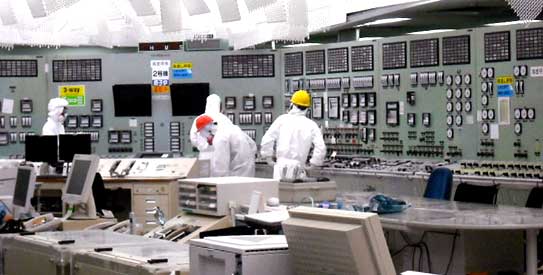
OSAKA: Extremely high levels of radiation were detected in water leaking from reactor two of the stricken Fukushima nuclear plant, forcing the evacuation of workers, its operator said Sunday.
A spokesman for Tokyo Electric Power (TEPCO) said the level of radiation found in the leaked water in the turbine room was 10 million times higher than it should be for water inside the reactor, indicating damage to the fuel rods.
“We detected 1,000 millisieverts per hour of radiation in a puddle of water at the reactor number two. This figure is 10 million times higher than water usually kept in a reactor,” the spokesman said.
“We are examining the cause of this, but no work is being done there because of the high level of radiation.”
“High levels of caesium and other substances are being detected, which usually should not be found in reactor water. There is a high possibility that fuel rods are being damaged.”
A single dose of 1,000 millisieverts can cause temporary radiation sickness, including nausea and vomiting. An exposure of 100 millisieverts per year is considered the lowest level at which an increase in cancer risk is evident.
“It is an extremely high figure,” nuclear safety agency spokesman Hidehiko Nishiyama said of the latest reading of radioactivity.
“There is high possibility that (the water) came from the reactor,” he said.
Last week three workers with inadequate protection for their feet suffered burns when they stepped in highly radioactive water at reactor three.
The trio, aged in their 20s and 30s, were placing electric cables in a basement as part of efforts to rebuild cooling systems at the quake and tsunami damaged reactor three to prevent high-level radiation from spewing out.
Two of the men, who were employed by a subcontractor, were hospitalised after suffering radiation burns from beta rays, which are powerful enough to transform a person's DNA makeup and cause potential cancer and death.
All were exposed to radiation of up to 180 millisieverts -- more than triple the usual limit for plant workers and close to the recently hiked government-imposed 250 millisievert limit for emergency duty.
A total of 17 workers have been exposed to more than 100 millisieverts of radiation at the plant.
Some 500 workers with TEPCO and its subsidiaries, as well as an army of firefighters and soldiers, are working to bring the plant under control.