0
0

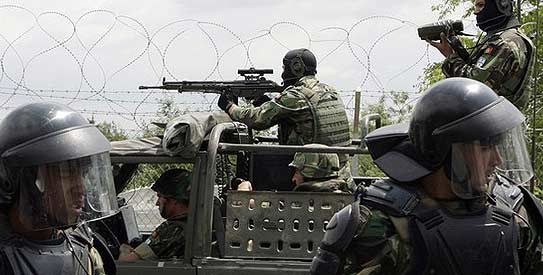
PRISTINA: Nato peacekeepers took control of a border crossing in northern Kosovo on Thursday after it was firebombed and bulldozed by ethnic Serbs as part of a spiralling dispute over a trade embargo.
An AFP correspondent at the Jarinje crossing between Kosovo and Serbia said that heavily-armed members of the Nato force known as KFOR could be seen on duty directing traffic across the frontier.
“We have enforced our presence at the custom post of Jarinje,” a spokesman for the force told AFP. “There is only KFOR at the post at the moment.” A statement from the Kosovo government in Pristina confirmed that KFOR troops “are keeping the situation in the north under full control”.
Dozens of masked youths attacked the border crossing late Wednesday with Molotov cocktails and then flattened it with a bulldozer, forcing around 25 Kosovar police and customs officers to flee, according to witnesses.
The attack on the post came only two days after the government in Pristina dispatched police units to take control both of Jarinje and the Brnjak border crossing so they could implement a new ban on imports from Serbia.
The mainly ethnic Albanian government in Pristina had suspected local ethnic Serb police of turning a blind eye to goods being brought across the border.
The move had already provoked an angry response even before Wednesday. One Kosovar police officer was killed and four others hurt on Tuesday in clashes with local Serbs at the same location.
KFOR commander Erhard Buhler warned on Wednesday that his 5,000 strong force would not tolerate “any violence” in the north and was ready to prevent it “by all means.”
Although Kosovo unilaterally declared independence from Serbia in 2008, the ethnic Serb minority which is mainly concentrated in the north has never recognised the breakaway Pristina government's authority.
Serbia imposed a ban on imports from Kosovo immediately after the 2008 independence declaration but Pristina's decision to take a reciprocal step last week caught many by surprise - especially as there had been signs of a thaw in relations in recent EU-brokered talks between the two sides.
Serbia is one of the main exporters to Kosovo with exports totaling 260 million euros (dollar 370 million). More than 90 percent of Kosovo's imported food supplies come from Serbia.
Authorities in Kosovo have long argued that the Serbian embargo is unacceptable as both parties are signatories of a regional free trade accord which stipulates the free movement of goods throughout the Balkans.