0
0

ISLAMABAD: With the country facing the threat of even a more severe energy crisis from October this year, the government is reported to be discussing a proposal to impose a drastic gas cut to transport sector, penalise senior officials for failures and publicly criticise the alleged blackmailing tactics adopted by the industrial sector.
Petroleum Minister Dr Asim Hussain was quoted as saying at a meeting held here on Tuesday that the government might be forced to stop gas supplies to the CNG sector for at least five days a week, under a conservative estimate, and to go for a complete closure in the worst case situation.
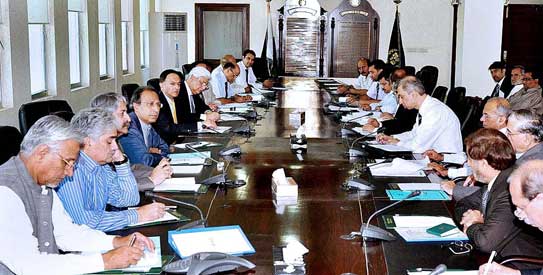
The measures were discussed by a 'special ministerial committee on loadshedding' headed by Finance Minister Dr Abdul Hafeez Shaikh and comprising ministers and secretaries of the water and power and petroleum ministries, heads of the Planning Commission and State Bank, chairman and members of Nepra and representatives of power utilities. The committee has been formed by Prime Minister Yousuf Raza Gilani.
According to sources, the meeting was informed by the petroleum minister that up to 2.5 billion cubic feet of daily gas shortage was likely from November to January against the total demand of about 6.5BCFD. The gas shortage this winter could be worse than the prevailing power shortfall, requiring major conservation measures, Dr Asim Hussain is reported to have said.
The meeting was of the opinion that industrial consumers should be intimated that they had agreements for 9-month gas supplies and were required to use alternative fuel like furnace oil during winter.
The government should not let itself be blackmailed by the industrial sector on the premise of labour layoffs in case of gas cuts. The government should come up with a public campaign with facts and figures, telling people about the 9-month supply contracts between gas companies and industrial units.
Dr Shaikh said the government had been injecting liquidity into the power sector to solve the chronic circular debt problem every now and then but they had been compounded after every two to three months, which was not a sustainable proposition.
A Pepco representative said distribution companies had to pay about Rs210 billion arrears to Pepco and they had enough liquidity but were showing higher expenditures to hold up payments.
The committee asked the power ministry to hold Wapda's senior officers responsible for theft, kundas and overloading and impose fines, hold departmental proceedings and restrict their promotions.