0
0


ISLAMABAD: Protesters upset over severe electricity shortages clashed with police for a second day in eastern Pakistan on Tuesday, as the country's main opposition leader used the issue to pressure the US-allied government.
Parts of Pakistan face power cuts of up to 18 hours per day, undermining the country's weak economy and increasing hardship for citizens already facing a rampant Taliban insurgency. Anger periodically boils over into violent protests.
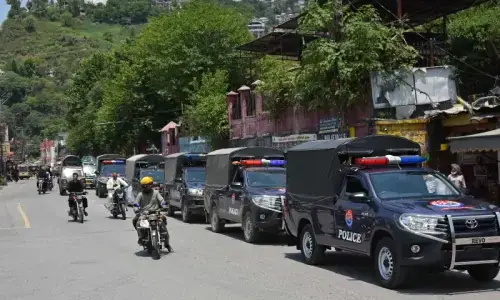
Demonstrators threw stones at police Tuesday in Gujranwala, a major industrial city of some four million people in Punjab province. Local television footage showed the police throwing some of the rocks back, lobbing tear gas, and charging the crowd with their batons.
Angry mobs had burned six electricity company offices in the city on the first day of rioting on Monday and set fire to several rooms in a police station, said Gujranwala police chief Ahsan Tufail. Fourteen policemen were injured in Monday's clashes and 20 people were arrested, he said.
Demonstrators took to the streets in mostly peaceful protests in several other parts of Pakistan on Tuesday, including Faisalabad in Punjab and Peshawar, the main city in Khyber Pakhtunkhwa province.
The country's main opposition leader, former Prime Minister Nawaz Sharif, lashed out at the government over the electricity shortages.
''The country is facing a severe power crisis, but the government is sleeping and doing nothing for the last 15 months over this issue,'' Sharif told reporters in Bahawalpur.
Prime Minister Yousuf Raza Gilani sought to deflect blame away from his government in an address to parliament on Monday, pointing his finger at the United States. He said that the US should help Pakistan solve its energy crisis if it wanted better ties.
Analysts say Pakistan's chronic electricity shortages are largely the result of the government not charging consumers enough and of customers, including the government, not paying their bills. There are also problems with outdated transmission systems and bureaucratic infighting that has stalled power generation projects.
Many analysts say a lasting solution to the country's power crisis must involve politically painful increases in electricity prices and forcing customers to pay their bills.