0
0

TOKYO ; Radiation levels as high as those in the evacuation zone around Japan’s Fukushima nuclear plant have been detected in a Tokyo suburb, and are likely linked to the disaster, officials said Monday.
The hotspot, a small area of about one metre (three feet) radius, was found in a vacant lot in Kashiwa city, Chiba prefecture, a commuter suburb of the capital, officials said.
Radiation levels of 2 microsieverts per hour were detected one metre above the surface of the soil, equivalent to some areas in the evacuation zone around the crippled Fukushima Daiichi nuclear power plant.
City officials have also found contamination levels as high as 57.5 microsieverts per hour in the soil, sparking radiation fears in the neighbourhood some 195 kilometres (120 miles) from the accident site.
Inspectors from the science and technology ministry believe the hotspot was created after radioactive caesium carried by rain water became concentrated in a small area because of a broken gutter.
“We covered the area with river sand and plastic sheets, which so far have lowered the radiation levels in the air,” said a Kashiwa city official.
“We will decide what to do with the contaminated spot after discussing it with state officials later Monday,” he said.
Earlier this month the alarm was raised in western Tokyo after a radiation hotspot was discovered, but later determined to have been caused by some old paint.
Variable winds, weather and topography result in an uneven spread of contamination from the nuclear plant, experts say, and radioactive elements tend to concentrate in places where dust and rain water accumulate such as drains and ditches.
As researchers carry out tests to map how far contamination has spread from the plant, radiation fears are a daily fact of life in many parts of Japan following the earthquake and tsunami-sparked meltdowns at the plant, with reported cases of contaminated water, beef, vegetables, tea and seafood.
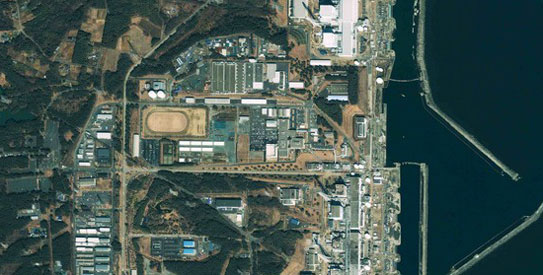
The March 11 earthquake triggered a tsunami that tore into Japan’s northeast coast, leaving 20,000 people dead or missing, while causing meltdowns and explosions at the Fukushima Daiichi nuclear power plant.
The subsequent release of radiation forced the evacuation of tens of thousands from within a 20-kilometre radius of the plant and spots beyond in the world’s worst nuclear accident since the Chernobyl disaster in 1986.