0
0

SUPERIOR courts may know all about the Constitution and the laws of the land but not much about getting good media coverage of their judgments.
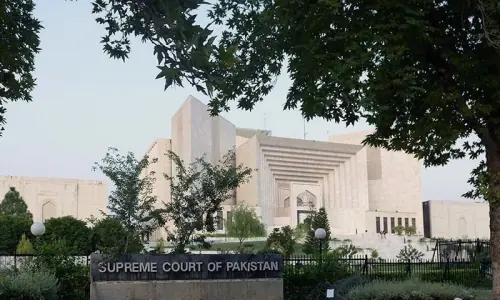
The judgment of the Supreme Court on the Karachi situation was the latest example.
Delaying the announcement of the judgment by about two hours did create hype but did not help in its coverage. Since the judgment was not written in journalistic style, only insignificant driblets came out while the chief justice was reading it. Only after the full judgment was made available on the Internet could the television channels scan hurriedly the text and broadcast some significant portions. It was quite some time before the viewers could learn what it was all about.
The superior courts may appoint highly competent editors, who have long experience of writing and editing news stories. As soon as a judgment is signed, an editor may go through it. Then he should write a news report, giving the judgment, its significant portions and brief background of the case.
The report should be in both English and Urdu (for the convenience of media reporters) and not longer than a few pages. Every point in the story should have a reference to the relevant page or paragraph of the judgment for easy reference. Enough copies should be made for all persons present in the courtroom.
The announcement of a judgment should follow the practice of parliament and provincial assemblies regarding the question hour. Printed copies of the questions and answers are supplied to the members. While referring to a question, the speaker merely says, ‘Answer be taken as read,’ so the relevant minister does not have to read the answer. He replies only to supplementary questions.
Major judgments take hundreds of pages. The one on Karachi had 156 pages. When the court is in order, the presiding judge may announce, ‘The judgment be taken as announced.’ Then copies of the news report are distributed.
For 15 minutes, nobody should be allowed to leave the courtroom to give television reporters enough time to comprehend the report. While a television reporter gives his report live, the editors in the channel newsroom and commentators can go through the text to prepare reports that are more comprehensive and informed analyses. The newspapers may publish the next morning the complete news report supplied by the court, along with their comments and analyses.
In this way, the superior courts will make life easier for the media and also get much better, as well as accurate, coverage for their judgments.
MUHAMMAD ABD AL-HAMEED Lahore