



 10
10

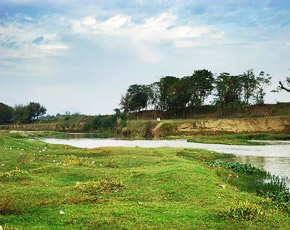
When we think of Khyber Pakhtunkhwa, most people conjure images of bearded men in turbans wielding assault rifles, but there is a lot more depth to the place than what is apparent.
While trouble from the border-regions and Fata, traditionally home to various militant outfits, does spill over to other areas in the region, it is certainly not as if the whole province is under siege by them or in their influence. While Islam is held in high importance and America still may be considered the enemy, the people renounce such violence where innocent lives were lost and it was surprising to see the imams of most mosques emphasising on such subjects.
The tribal customs of the local people may be unique in contrast with the rest of the country, but maybe it is those customs which makes the people different in practice. While certain customs are considered extreme, the overall impact brings a certain balance which may seem unusual to most, but has an overall positive effect on the people.
Pakistanis world-wide are considered to be generally hospitable people who are also charitable, but during my time in KPK I realised that the hospitality of the Pathans is unmatched. A guest is not only treated with the highest regard, but people go out of their way to be good hosts, at many times out of their means, as it is directly linked to honour for them. While some of their customs are considered to hamper women’s rights and in violation of the global human rights code, moderation is also slowly creeping in on the overall mindset.
Economically, the province is very well endowed. While the present situation may seem very bleak due to the ongoing war, there are a lot of opportunities which exists within the province. The agricultural produce of the area is considered to be of some of the best quality in Pakistan.
The areas of Swabi and Mardan are said to be the most fertile areas in Pakistan, and are home to some of the finest quality fruits, vegetables, wheat, corn and tobacco. Income disparity is also lower than in Sindh or Punjab, as there is a higher concentration of small and medium-sized land holdings.
Swat, post-militancy, also holds some great opportunities in the province especially with regards to aquaculture, forestry and organic agriculture. The trout in the area is considered some of the best in the world, and many farmers have taken up the initiative for generating income.
But it is not only agriculture which has scope in the area. The area is rich in various stones and minerals, such as marbles, gypsum, limestone, and precious stones etc. which have contributed to a much more active construction materials industry. Mining has a lot of scope in most areas, with various mineral deposits scattered over the province. Various geological surveys have also found evidence of possibly large gas reserves. Many corporations have begun drilling for gas, such as the Hungarian company MOL which is drilling for gas near Malakand along with various others. While certain areas scare investors due to the security situation, opportunities do exists for partnerships with locals in many others.
The industrial estate of Hattar has proven to be of great success for the province. While the issues relating to power and gas are faced nationwide, various corporations have set up industrial units in the area, such as Kohat Cement, Tripack, Bestway Group etc. which has contributed to the area’s livelihood. Countless more opportunities in all sectors exist, especially the service sector, currently marred by the ongoing war but that is the province’s hope for the future.
A lot of additional damage had also been faced by the area in the monsoon floods, having a greater impact on the public infrastructure. And while corruption exists in public offices all over the country, a lot of development work is apparent and the credit goes to local bureaucrats and elected officials the efforts of who are present for all to see.
Having in my mind the image of a society which largely shuns education, I was amazed at seeing the number of schools popping up all over the province. Even in a small town like Zaida in the Swabi district, there were many public and private schools already in existence and many more opening up, which shows the development effort of all segments of society.
While the ongoing war is a big impediment in the development and progress of the province and its resultant damage cannot be downplayed, it is our stereotypes which make the picture look worse than it already is. I believe there is a great future that lays ahead for KPK, but that is also dependant on the future and well-being of the nation as a whole.
Muhammad Shayan Lakdawalla is a Multimedia Content Producer at Dawn.com


























