



 0
0

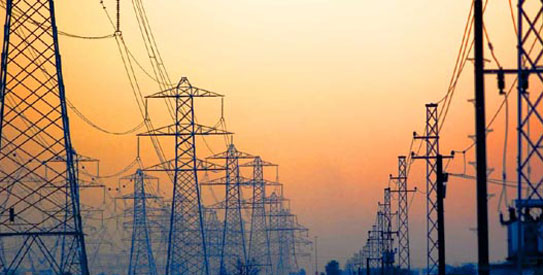
ISLAMABAD: Amid the worsening energy crisis, the government suffered a severe setback on Wednesday when two key functionaries of energy sector regulators, Nepra and Ogra, submitted their resignations to the cabinet division.
The resignations by chairman of Oil and Gas Regulatory Authority (Ogra) and vice-chairman of National Electric Power Regulatory Authority (Nepra) came amid an ongoing investigation, under directives of the Supreme Court by the National Accountability Bureau (NAB) into alleged wrongdoings in Ogra, and government’s criticism of Nepra’s affairs.
Ogra chief Sabir Hussain confirmed that he had submitted his resignation as acting chairman after his efforts to run the organisation in accordance with rules and regulations failed.
“It (Ogra) is a totally disorganised, mismanaged and inefficient organisation where every officer wants to interpret law and regulations according to his will.”
He said he had expressed his inability to lead the regulator but would continue to perform his duties as member (oil) to the best of his ability and with integrity.
He said Ogra was facing problems in dealing with major issues and his efforts as acting chairman to dispose of all cases in a quick and transparent manner strictly in accordance with the law were thwarted by senior officers despite the fact that they enjoyed hefty remunerations and a lot of facilities.
On the directives of the Supreme Court, NAB is investigating alleged corruption cases in unauthorised grant of compressed natural gas (CNG) licences despite a ban during the tenure of previous Ogra chairman who was removed from the lucrative post for possessing fake degrees.
The Ogra chief’s resignation coincided with a similar step taken by Khwaja Maqbool Ahmad, Member from Sindh and Vice-Chairman of Nepra.
He could not be contacted but Nepra sources confirmed that he had submitted his resignation to the cabinet division citing personal reasons, although it had not yet been accepted.
Appointed as Nepra member in November 2007, Khwaja Maqbool was to complete his second three-year term on Nov 20, 2013.
Sources, however, said the Nepra vice-chairman was under pressure to give up his opposition to a government desire to enforce a uniform tariff for all distribution companies of Wapda, in place of the existing differential tariff determination model and to adopt a soft approach towards mismanagement of electricity supply in Karachi.
The government, said the sources, was also unhappy over determination of fuel price adjustments on electricity bills that power companies started recovering from consumers with retrospective effect, leading to court cases as angry consumers resorted to protests.
This was reinforced by the fact that a cabinet committee on restructuring led by Finance Minister Abdul Hafeez Shaikh at its meeting on Wednesday reportedly noted with concern that Nepra’s decisions were going against the interests of the fiscal policy as power companies required higher than budgeted subsidies.
That the government was at unease over the two resignations was clear from the fact that Finance Minister Shaikh, Power Minister Syed Naveed Qamar and Petroleum Minister Dr Asim Hussain immediately called on President Asif Ali Zardari. A brief official statement said “they briefed the president on power-related issues”.
The petroleum minister, when contacted, said the meeting did not discuss circular debt or payments to oil companies. But he added that the finance ministry had promised to release payments in view of serious difficulties being faced by oil companies, particularly Pakistan State Oil.



























