0
0

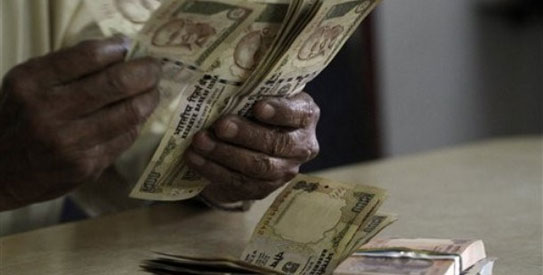
MUMBAI: India and Iran share close historical links -- or so argued India's first prime minister, Jawaharlal Nehru. Now economic interests are pulling the two countries closer again. India has struck a clever deal to pay for Iranian oil in its own not freely convertible currency, the rupee. It could be a diplomatic hot potato.
New Delhi buys $12 billion of oil a year from Iran. But the trade isn't balanced. Iran only spends $2.7 billion on Indian exports, according to Tehran. Under the mooted plan for 45 per cent of Iranian oil to be settled for in rupees, Tehran would end up with a surplus of nearly $3 billion in rupees, assuming trade levels remain constant. If all of Iran's payment shifted to rupees the surplus would be $9 billion per year.
That illiquid currency would be like a gift card that the holder can only spend in Indian shops. Iran needs a plan.
One option would be to leave the money in the bank. Currently India pays Iran in dollars through a Turkish bank. But the two countries have agreed that Iran can stash its rupees in the Indian state-owned UCO Bank, which would probably yield an interest rate of four per cent, but expose Tehran to currency risk.
Alternatively Iran could start to buy more rice and agricultural products from India. Under new US sanctions, shortages are beginning to bite. India could even become a trading hub for third countries to sell to Iran, much as India and Pakistan's trade is often routed through Dubai. But the more India does to ease the pain of sanctions, the more Washington will bristle.
The third option is for Iran to invest the money, say in Indian bonds or equities. Politically, Washington would be unlikely to find that appealing -- though given India's need to fund a capital account deficit, it might be hard to refuse cash on the table.
For the world, a deal between India and Iran is probably a good thing. It means less upward price pressure on non-Iranian oil, especially as China has been cutting purchases from the rogue state. But closer economic ties could come with political consequences.