0
0

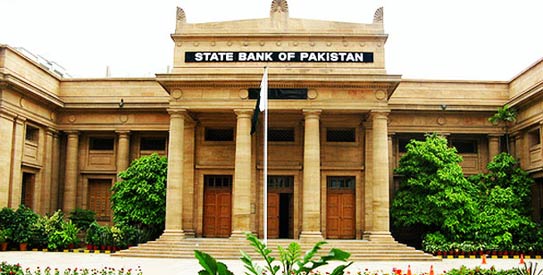
KARACHI: Public Sector Enterprises (PSEs) retired a huge amount of banking debts during the last seven months which is even higher than the entire private sector borrowing made last year, reflecting a strange phenomenon as PSEs are already cash-starved.
PIA, Pakistan Steel and Pakistan Railways have been functioning at the lowest level and most of them are facing serious shortages of liquidity.
According to a State Bank report, PSEs retired Rs269 billion in the first seven months of the current fiscal year.
This was against a net borrowing of Rs18 billion made by the PSEs during the corresponding period of last year.
The huge debt retirement shows the PSEs were not working on new projects or targets while compromising their performances.
The government has been providing funds to keep them functioning. Pakistan Railways was once again restored to carry on with goods transports. The Railways had stopped goods transportation in the wake of shortage of funds and losses.
Despite this massive debt retirement, banks have been facing shortage of liquidity and the State Bank has been injecting billions of rupees.
However, this shortage does not reflect the private sector activities, instead it shows that the government has been siphoning off liquidity from the banking system.
The private sector during these seven months borrowed Rs221 billion from the banking system. It was higher than the borrowing of previous year but lower than the debt retired by the PSEs.
During the corresponding period of last fiscal year, private sector borrowed Rs154 billion.
Most of the liquidity given to private sector was used as working capital (short term borrowing) which means no project financing.
The State Bank said in its annual report that private sector borrowing in FY-11 was mostly for working capital while a senior banker said the situation has not changed yet.
It was believed that due to massive slash in the interest rate which stayed currently at 12 per cent from earlier 14 per cent, private sector borrowing would rise.
In the wake of falling inflation rate which is just above the single digit last month (10.1 per cent), money was expected to be cheaper than last four years.
Analysts said for the first time in four years real interest rate is positive by one per cent as against the seven month average inflation.
They said lending rates for private sector have also come down as low inflation has supported to reduce the cost of borrowing.
Pakistan is considered as costliest in the region as cost of doing business is very high in the country.
Analysts said the PSEs may start borrowing in the last quarter of the current fiscal year to improve their performance as general elections are coming closer.