0
0

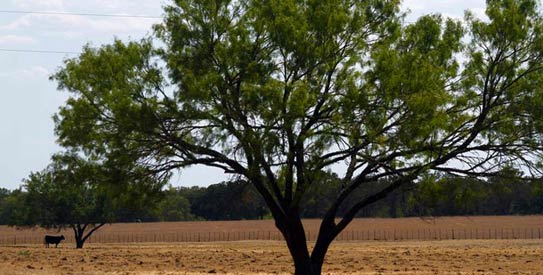
ISLAMABAD: Allergy patients of twin cities of Islamabad and Rawalpindi have been advised to remain cautious with the advent of spring season and pursue all remedial measures to avoid any complication.
As there is an atmospheric change, so the allergy patients need to start using necessary precautionary medicines and wearing mask to avoid pollen grains which are released from trees, weeds, and grasses.
In an exclusive talk with APP here on Friday, Professor of Ear, Nose and Throat (ENT) ailments at Rawalpindi Medical College and Benazir Bhutto Hospital, Rawalpindi, Dr. Muhammad Aslam Chaudhry said some people with pollen allergy develop asthma, which is a serious respiratory condition.
Mentioning the symptoms of pollen Allergy, he said that sneezing accompanied by a runny or clogged nose, itching eyes, nose, and throat are the major identifications of pollen allergy attack.
The Paper Mulberry Trees and hazardous particles in the area are becoming main source of pollen allergy which is harmful for asthma patients.
It may be mention that the function of pollen grains is to fertilize other parts of plants, but many never reach their targets and remain suspended in atmosphere.
Most species of pollen have some level of allergenicity but not all of them. Dr. Aslam narrated that suspended pollen grains in the air reach the human respiratory track through inhalation, triggering a type of seasonal allergy called pollen allergy.
Pollen is one of the most widespread of all the things that can cause an allergy. Many of the foods, drugs, or animals that cause allergies can be avoided to a great extent; even insects and household dust are avoidable.
But staying indoors when the pollen count is very high may not help to evade windborne pollen.
Extremely high concentration of pollen is observed in spring (March-April) and relatively less high pollen concentration in monsoon season.
Dr. Aslam Chaudhry advised individuals with pollen allergy to avoid unnecessary exposure to dust, insect sprays, tobacco smoke, fresh tar or paint, use of perfumes, walking in garden and using carpets on the floor.