0
0

Hilda Saeed writes about the disastrous effects of HIV/Aids
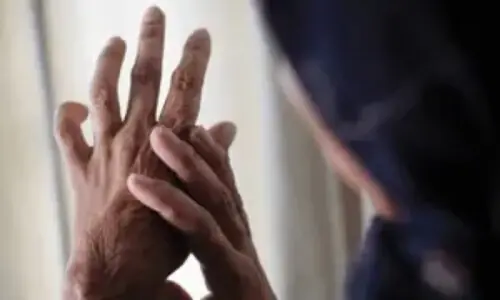
If there is a disease that can cause widespread fear in the public, it is HIV/Aids. Its source is the tiny, near-invisible little human immunodeficiency virus, which causes lethal damage, and affects people worldwide. It has forced people to confront their moral beliefs; it has become the seat of deep familial pain and tragedy. The impact has been greatest on the older people, leading to emotional deprivation as well as absence of support, besides their grinding poverty.
It has even affected the demographic pattern of several countries as 49.7 million people have been affected worldwide; of these, 72 per cent live in sub-Saharan Africa, which experiences 84 per cent adult and 94 per cent child deaths. The number of orphans is rising, with only grandparents to look after them, and sometimes, not even these: then the oldest child, maybe 10 or 12 years old, becomes the family care-giver.
First detected in the early ’80s in Africa, it took only a short while to cross borders, and spread to become an international outbreak. It is characterised by a slow, steady depletion of the body’s natural defence mechanisms, so slow that even the victim isn’t quite aware of it. The incubation period can be anywhere from six months to several years; the HIV infection opens the way for life-threatening infections like tuberculosis and cancers. Infected bodily secretions that affect sensitive mucous membranes, blood, semen, vaginal fluid, breast milk, all become vehicles for the spread of the virus.
All that is apparent is growing weakness, and often a greater susceptibility to colds and flu, till worse, more dangerous symptoms set in. There are too many pain-filled stories of fathers, mothers and even children who die agonising deaths. Researchers frantically searched for a way out, but it was many years before relief emerged in the shape of anti-retroviral drugs, which, although they do not cure the patient, allay the symptoms and enable the person to live a fuller life.
Drug abuse is now a parallel, rampant problem, proliferating widely. Addiction begins with lower impact drugs, like marijuana or charas, compulsive and repetitive use of which results in increasing tolerance to the substance, when the individual may graduate to heroin, including injectable heroin—that is when the risk of the HIV infection sets in. It has already led to concentrated epidemics of the HIV/Aids in several cities.
Since many of the drug addicts are married, or have multiple partners, the impact on others who are affected is considerable. Women are often unwitting victims of HIV infection, and are left out of the treatment loop: they and their children suffer endlessly due to violence by the addicted partner, and lack of financial and emotional support; this is, in multiple ways, one of the saddest aspects of this disease.
The NGO linkage which helps identify injectable drug users (IDUs) and provides empathy and treatment with anti-retroviral drugs, is proving a blessing to many families: a combination of these, with greater public awareness, and reduction of stigmatisation are sorely needed to make life liveable for the infected persons.
Efforts are certainly being made to contain its spread, but the financial outlay is high: even now, there is not enough medication available to treat all infected individuals. Paradoxically though, the parallel efforts to contain drug addiction are not apparent: drugs are freely available; indeed, some areas are notorious for open sale of drugs in our cities and the countryside. It is urgent that these issues are also addressed simultaneously.