0
0

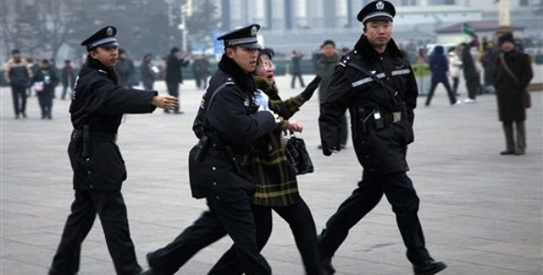
BEIJING: China's human rights record worsened in 2011, making it the most repressive year in a decade, after Beijing launched a crackdown following protests across the Arab world, a group said Friday.
Hong Kong-based Chinese Human Rights Defenders said in its annual report on rights activists in China that 2011 was characterised by lengthy jail terms, enforced disappearances and torture of dissidents.
Political upheaval that rocked the Middle East and sparked calls for anti-government “Jasmine rallies” in China spooked authorities, who responded by launching one of the toughest crackdowns on dissent in years, it said.
The group said the move to silence government critics “marked yet another low point in China's human rights, making 2011 the most repressive year since the rights defence movement began in the early 2000s.”
It estimated that dozens of activists were disappeared and tortured, while several veteran dissidents were sentenced to long jail terms.
One of the most alarming developments last year was the use of “enforced” disappearances, in which at least two dozen activists were taken by authorities and held for long periods of time in secret locations, the organisation said.
Secret detentions in China are well-documented -- the renowned artist Ai Weiwei was among several dissidents to be taken to unknown locations and held for months without charge during a crackdown on government critics last year.
China had planned to make it legal to “disappear” criminal suspects as part of changes to the country's criminal law, which is under debate this week by lawmakers attending the annual National People's Congress.
However, in what was hailed as a victory for judicial reformers, China has abandoned those controversial plans following a public outcry.
Those proposed amendments to the law previously included a clause that allowed police to hold people suspected of terrorism or endangering national security in secret locations without notifying their families.
But the clause has been excised from the amended Criminal Procedure Law, according to a draft and rights activists.