0
0

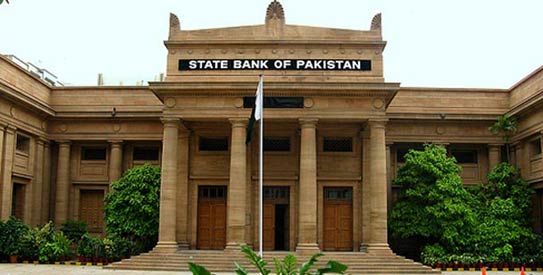
KARACHI: The State Bank injected Rs223 billion into the banking system on Monday keeping banks liquid to extend loans to the government by purchasing treasury bills.The central bank has regularly been injecting around Rs250 to Rs300 billion through open market operation for seven days each week after maturity.
However, this liquidity is mainly used by banks to purchase treasury bills for three, six and 12 months tenures.The liquidity injection has turned into an investment cycle for banks as they receive short-term money from the central bank at the rate of 11.55 per cent and return this money by investing into government papers at a higher rate.
Last week, the State bank sold treasury bills worth Rs57 billion. The banks purchased these bills at a cut-off rate of 11.87 per cent for three months, 11.94 per cent for six months and 11.939 per cent for 12 months.
The difference of rates between injected and invested money is the real income of banks.
Although this kind of easy money made the banks profitable, it started hurting the real banking in sense of its service to private sector. The State Bank in its second quarterly report said the entire bank borrowing by the private sector so far this year was for working capital.
Borrowing for working capital means short-term borrowing which does not help economy grow. It just helps in continuation of on-going economic activities.
The State Bank reported that the private sector borrowed Rs236 billion between July and March. This amount is higher than last year but there was no bank lending for projects.
While banks argue that they are risk aversion since defaults have been rising for last three years, the private sector said banks were not ready for project lending because of their easy earning by investing into government papers.
The government annou-ncement of zero quarterly limits on its borrowing from SBP and projections of a relatively small current account deficit at the beginning of the year resulted in a big cut in the discount rate.
However, the State Bank said weaknesses in the external account and government borrowing from the banking system complicated the market liquidity management, especially during the second quarter of the current fiscal year.
The weighted average overnight money market repo rate remained close to the upper limit of the interest rate corridor, despite substantial liquidity injections through open market operations from September 2011 onwards.
Analysts in their reports have been indicating that government borrowing from the banking system has not only damaged the banking system, but it has hit the economy as well.