4
4

BEIJING: China has given rare details of what is says are the links between militant groups in its restive far western region of Xinjiang and neighbouring countries, most likely close ally Pakistan, as it unveiled a list of six wanted suspects.
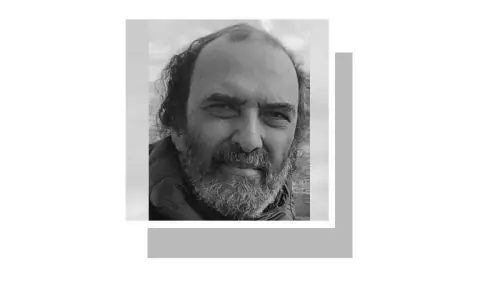
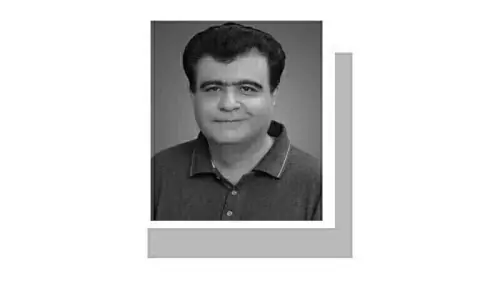
The Ministry of Public Security published the names of the suspects, all apparently ethnic Uighurs, on its website (www.mps.gov.cn) late on Thursday, along with their photographs and an outline of their alleged crimes.
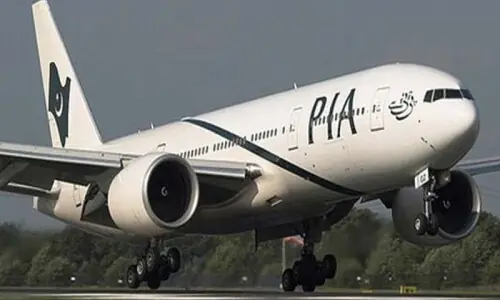
All six had spent time in what the ministry called “a certain south Asian country” - a likely reference to Pakistan - where they were trained to carry out terror attacks and incited militants in China to carry out suicide bombings and knife attacks.
The ministry said Nuermaimaiti Maimaitimin had been given a 10-year jail term in 1999 in the unnamed south Asian country, but had escaped in 2006 and then proceeded to send a comrade-in-arms back to Xinjiang where he masterminded an attack last year.
“The ministry hoped that foreign governments and their law enforcing departments would help to arrest the six and hand them over to Chinese authorities,” the official Xinhua news agency added.
China has blamed incidents of violence in Xinjiang, home to the Turkic-speaking Muslim Uighur people, on Islamic separatists who want to establish an independent state of East Turkestan.
Some Chinese officials have blamed attacks on Muslim militants trained in Pakistan, though the Foreign Ministry has refrained from public criticism of the neighbour.
The Chinese Foreign Ministry did not immediately answer faxed questions about where the six suspects allegedly operated.
Both Chinese and Pakistani officials have said that the militants based in western China have ties to the Pakistani Taliban and other militants in northwestern Pakistani regions along the Afghan border.
Officials in Kashgar, a city in south Xinjiang, said a stabbing attack there in late July was orchestrated by members of the separatist East Turkestan Islamic Movement who trained in Pakistan before returning to China.
Exiled Uighur groups and human rights activists say China overstates the threat posed by militants in Xinjiang, which sits astride south and central Asia.
Xinhua said the East Turkestan Islamic Movement was “the most direct and real safety threat that China faces”.
Pakistan and China have long been allies but Pakistan has leaned closer to China as its relationship with the United States, Islamabad's main donor, has become more strained.
China sees Xinjiang as a bulwark against the predominantly Muslim countries of central Asia. The region, with a sixth of the country's land mass, is also rich in natural resources, including oil, coal and gas.
The Uighur people account for just over 40 percent of the region’s 21 million population. Many chafe at government controls on their culture and religion.