61
61

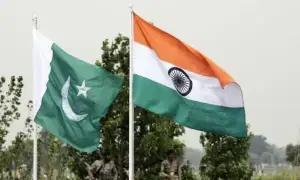
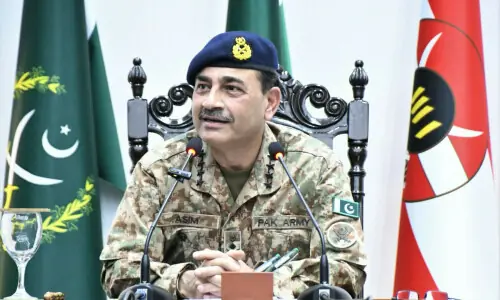
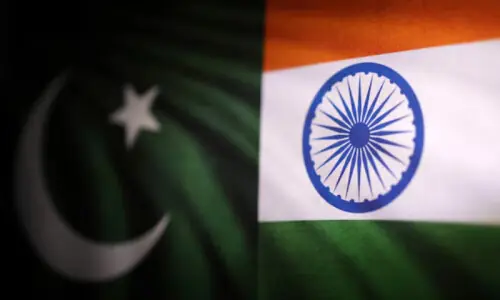
WITH Gen Kayani’s statements in favour of the demilitarisation of Siachen, there is now a publicly stated consensus on the political – government and opposition – and military sides that the world’s highest theatre of conflict should come to an end. His remarks followed a visit with President Zardari to the site where Pakistani soldiers and several civilians are believed to be buried under enormous amounts of rubble and ice. With another round of talks on the Siachen issue due with India soon, this may be the time to push for a political settlement to a conflict that few even in India believe makes sense. The realist school of thought may be sceptical about whether the tragedy could be the catalyst for a better outcome but perhaps the overall thaw in relations between the two countries in the recent past could help create the right environment for a resolution of the Siachen conflict.
A key point is that Gen Kayani’s statements were not limited to Siachen but referred to the overall framework in which the defence of the country should be ensured. To hear an army chief so openly talk about how the defence of a country was not dependent on just soldiers and weaponry but also on the robustness of its society and economy was a welcome nod to reality. To actually arrive at a situation where Pakistan spends less on defence, however, remains a major challenge. A major factor would be to what extent the fears and suspicions on the country’s eastern border can be reduced. Direct trade is a potential game-changer but as with any move in which there will be winners and losers, there is still some way to go before it becomes an irreversible reality. A deal on Siachen or Sir Creek have long been presented by the Pakistani side as the so-called ‘low-hanging fruit’, but India has been disinclined to share that view — though the tragedy in Siachen could propel talks on a deal there. Beyond that, in the near term, there is the post-war future of Afghanistan and India’s involvement in that country that could present an opportunity for both countries to break out of the zero-sum mindset that so often characterises ties between the two countries.
What should be clear is that if ties between India and Pakistan are to be improved, it will require an equal amount of commitment and input from India. Many of Pakistan’s national security and foreign policy choices may be hard to defend but Indian intransigence or churlishness has certainly played its role in the past in keeping ties from improving meaningfully and irreversibly.