0
0

KARACHI: The reality of climate change could no longer be doubted, however, the magnitude of consequences and most especially for health could still be reduced.
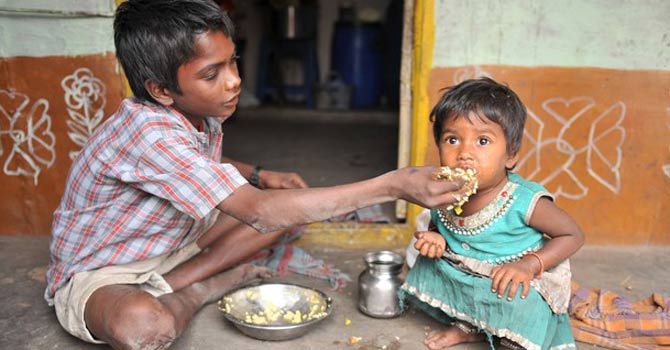
A recent study published by World Health Organisation (WHO) has warned health to be endangered due to malnutrition which is the most evident consequent to climate change.
Governments were urged to focus more on efficient and cost effective strategies for prevention of ailments that contribute to human loss as well as other resources.
It was mentioned that since rising temperatures and more frequent droughts and floods can compromise food security therefore increase in malnutrition are expected to be especially severe in countries where large populations depend on rain-fed subsistence farming.
“Malnutrition, much of it caused by periodic droughts, is already responsible for an estimated 3.5 million deaths each year,” said the report.
Secondly, more frequent extreme weather events leading to more potential deaths and injuries caused by storms and floods followed by flooding could lead to outbreaks of diseases, such as cholera, especially when water and sanitation services are damaged or destroyed.
It was mentioned that storms and floods are already among the most frequent and deadly forms of natural disasters.
Scarcity of water and excess water due to more frequent and torrential rainfall was warned to increase the burden of diarrhea disease, spread through contaminated food and water.
Diarrhea disease, already the second leading infectious cause of childhood mortality, accounts for a total of approximately 1.8 million deaths each year.
The fourth significant consequence was cited to be, heat-waves, especially in urban “heat islands”, which could directly increase morbidity and mortality, mainly in elderly people with cardiovascular or respiratory disease.
Apart from heat-waves, higher temperatures was warned to also increase ground-level ozone and hasten the onset of the pollen season, contributing to asthma attacks.
Finally, changing temperatures and patterns of rainfall, the report said are expected to alter the geographical distribution of insect vectors that spread infectious diseases. Of these diseases, malaria and dengue are of greatest public health concern.
It was stressed that climate change can affect problems that are already huge, largely concentrated in the developing world, and difficult to combat.