SINGAPORE: Journalists from 14 Asian countries observed World Press Freedom Day at Singapore’s Nanyang Technological University with a symbolic release of balloons, honouring the spirit of murdered Pakistani editor and columnist Murtaza Razvi.
The journalists are taking part in the Asia Journalism Fellowship, a sabbatical programme of Temasek Foundation and NTU’s Wee Kim Wee School of Communication and Information.
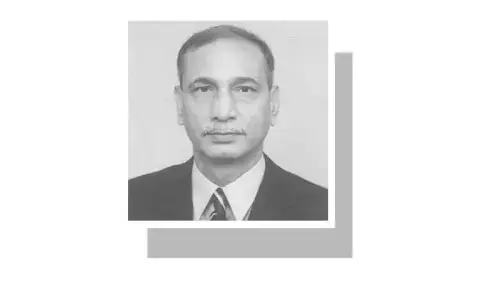
Razvi, who spent three months in Singapore in 2009 as a Fellow in AJF’s inaugural round, was killed two weeks ago in Karachi at the age of 47. He was renowned in Pakistan as an outstanding and courageous journalist, and warmly remembered by the AJF Class of 2009 as a gregarious and generous human being.
Stressing the importance of media freedom in furthering the public interest, journalists gathered at the event called on governments in Asia to act against the impunity that currently envelops crimes against media workers.
“As journalists from diverse media traditions in Asia, we collectively affirm journalism’s role in advancing our communities’ collective interests, a responsibility that we believe is best fulfilled in an environment that respects human rights, including freedom of expression,” they said in a joint statement.
Addressing the Fellows, Maria Mercedes Robles, the secretary-general of the Asian Media Information and Communication Centre, paid tribute to the profession.
“We should be grateful that we have heroic deeds of journalists from all over the world which can instigate change and which can inspire the journalists of tomorrow,” she said.
The 2012 Fellows and other guests released 60 balloons into the evening sky, one for each journalist who has passed through the AJF programme since its launch in 2009.
Razvi was represented by a single red balloon, released by compatriot Gonila Gil, minority affairs reporter of Daily Aajkal in Lahore.
“Murtaza Razvi was respected as a nice human being, highly educated and one of the most well mannered journalists in Pakistan,” she said.
“We need to learn from his devotion to journalism.”