0
0

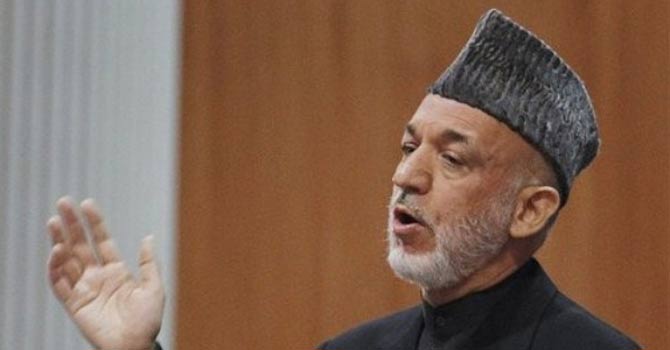
KABUL: Afghanistan faces tougher security challenges in the next phase of a transition from foreign to Afghan forces as insurgents step up their attacks, Afghan officials said on Thursday.
President Hamid Karzai is expected to announce on Sunday the transfer of 230 districts and the centres of all provincial capitals to Afghan control in the third phase of a handover before most Nato troops pull out by the end of 2014.
“In 2014 we will face a national survival test, but our enemies have to know that this nation is committed to fulfil this process,” Ashraf Ghani Ahmadzai, head of the transition process, told reporters in Kabul.
“The third stage is a difficult stage. We don't want to tell lies to Afghanistan's people, but these difficulties are not ones that have no solution. The fourth and fifth stages will be more difficult,” Ahmadzai, a former finance minister, said.
Afghanistan and its Western backers plan a total of five stages of security transfer, which will eventually include Taliban-strongholds such as Kandahar and much of Helmand as well as volatile eastern provinces, among other areas.
No officials would comment on what specific districts in which provinces would be transitioned in the third phase.
The difficulties underlining the third phase were also echoed by US Ambassador Ryan Crocker who joined Nato's top commander in Afghanistan, US General John Allen, other Nato soldiers and Afghan officials to talk about the next step.
More than a decade since coalition forces toppled the Taliban, Nato forces and the Afghan government are scrambling to build up and improve local security forces to be able to take over from foreign forces.
There are, however, few signs of improving security in Afghanistan. Insurgents are already mounting a spring campaign of suicide attacks, while talks with the Taliban as part of efforts to reach a political settlement appear to have stalled.
Two senior US lawmakers have said that the Taliban is stronger now than before President Barack Obama ordered a surge of US troops to Afghanistan, contradicting the administration's assessment of the insurgency.
Ties between Kabul and Washington have been strained recently over a string of incidents involving US forces this year, including the killing of Afghan villagers and the accidental burning of copies of the Quran.
Less than a week after signing a strategic partnership agreement with the United States, Karzai said the pact was at risk of becoming “meaningless” if Afghans did not feel safe following a series of civilian casualties blamed on Nato.