



 0
0

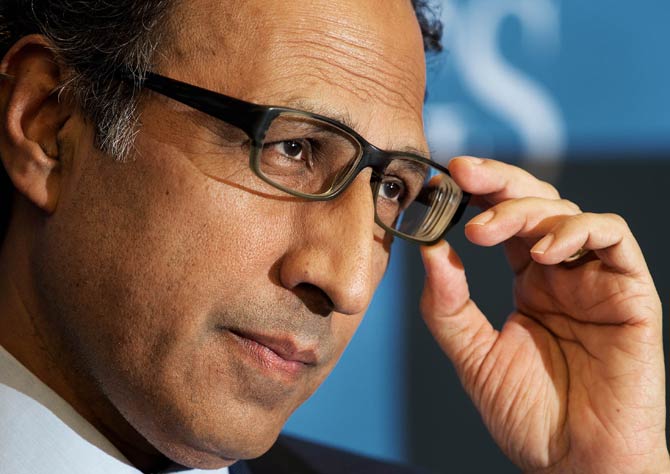
ISLAMABAD: Conceding what he termed a few failures of the government’s economic policies, Finance Minister Abdul Hafeez Shaikh indicated on Thursday the burden on existing taxpayers would be somewhat reduced and there would be only two taxes in the new budget — income tax and sales tax.
Speaking at a pre-budget meeting of the National Assembly’s Standing Committee on Finance, he said the government would strive to adopt the policy of only two taxes in line with the international best practices where major revenues accrued from income and sales.
He categorically stated that there would be no increase in tax rate in the next fiscal year and the number of income tax slabs would be reduced to five from the present 17.
He said the government would ensure that tax rates for honest taxpayers were reduced from the next financial year.
Talking about failures, the minister said the government had not been able to restrict subsidies and the performance in the power sector had been quite poor. The government, he said, had also been unable to attract foreign investment.
Besides, these failures, the impact of the National Finance Commission award under which huge resources were transferred to the provinces aggravated the federal government’s fiscal position. However, he added, export growth and robust remittances were positive factors.
He said the growth in export and remittances had been phenomenal during the current fiscal year and helpful in financing the balance of payments.
Because of the two positives, he said, the vulnerability of foreign exchange reserves did not cross the uncontrollable limit.
But this was an area on which the government would have to concentrate because the balance of payments had been under pressure with increasing oil prices.
Dr Shaikh said the transfer of resources to the provinces under the last NFC award had rendered the federal government helpless on the fiscal side.
Alongside, the heavy dependence on oil and food import and government expenditures exceeding revenues had been responsible for inflation.
He said Pakistan had been experiencing double-digit inflation which was damaging for the economy.
He said the government’s performance in some other areas was also not satisfactory, but it was largely because of the factors beyond its control, such as floods, rising prices of oil and other commodities in the international market and global recession.




























