0
0

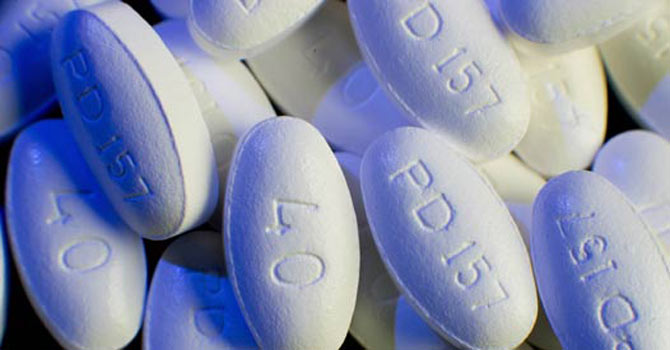
People who had taken aspirin, ibuprofen and related painkillers - especially at high doses and for years at a time - were less likely to get skin cancer compared to those who rarely used those medications, according to a study from Denmark.
The findings, which looked at records from more than 18,000 people from Denmark and were published in the peer-reviewed journal Cancer, add to growing evidence that long-term use of the medications, known as nonsteroidal anti-inflammatory drugs (NSAIDS), may help protect people against skin cancer, including melanoma, the deadliest.
“NSAIDS work by inhibiting specific enzymes involved in inflammation,” said lead author Sigrun Alba Johannesdottir, from Aarhus University hospital, in an email to Reuters Health.
“Previous studies show that elevated levels of these enzymes are found in skin cancer and that they are involved in important steps of cancer development.”
Not all research as been unanimous about the impact of the drugs. One large 2008 report found no link between NSAIDS and melanoma.
The drugs have also been linked to an increased risk of kidney cancer and come with known bleeding risks, so more research is necessary to weigh the possible harms and benefits of the drugs outside of pain relief, researchers said.
And they conceded that there were some limitations to their study, including that they didn't have information on other possible risks for skin cancer, such as exposure to ultraviolet light. In addition, not all Danish cancer cases were included in their registries.
“More work needs to be done to examine this association,” said Maryam Asgari, a research scientist at Kaiser Permanente in
Oakland, California, who was not involved in the study.
“I don't think I'd recommend to people, 'Hey, take an aspirin a day to prevent skin cancer.' I don't think we have enough data to say that. I think we do have enough data to say, certain NSAIDS appear to be promising.”
Johannesdottir and her team looked at records from more than 18,000 people in northern Denmark with skin cancer, both melanoma and less risky forms, between 1991 and 2009.
They matched each of those cancer cases with another ten people of the same age and gender without cancer, and compared their prescription drug records for the years before the cancer patients were diagnosed.
Thirty-eight per cent of people without cancer had filled more than two prescriptions for an NSAID.
People with a history of using aspirin and other NSAIDS had a 13 per cent lower risk of melanoma compared to non-NSAID users, and a 15 per cent lower risk of squamous cell carcinoma, a less-deadly form of skin cancer.
There was no difference in the risk of basal cell carcinoma, another type of skin cancer.
When researchers looked specifically at people who had filled prescriptions for the drugs over at least seven years, and used them twice a week or more, they found a stronger link.
Long-term, high-intensity NSAID users had a 46 per cent lower risk of melanoma, a 35 percent lower risk of squamous cell carcinoma, and a 17 percent lower chance of basal cell carcinoma.