0
0

ISLAMABAD, June 1: It was the last budget presented by the PPP government, but the main opposition did not even bother to listen to the finance minister’s speech and partners in the ruling coalition were wanting in many ways.
But neither the opposition nor the government’s supporters said anything specific about the budget. Their comments were mostly the usual rhetoric.
Without having listened to the finance minister’s speech, PML-N legislators rejected the budget and Leader of the Opposition in the National Assembly Chaudhry Nisar Ali Khan said it appeared that the government had become “deaf and dumb” to people’s problems and needs.
The Muttahida Qaumi Movement (MQM) and Awami National Party (ANP), the two main coalition partners, complained that they had not been consulted during the budget-making process.
Talking to reporters outside the Parliament House after leading a noisy protest in the house, Chaudhry Nisar regretted that at a time the nation had no access to basic necessities, the rulers were going on foreign visits. He alleged that corruption had reached its climax over the past four years.
Answering a question about the opposition’s protest, Chaudhry Nisar said the government had called for it. “Since the rulers have failed to pay heed to the ongoing protests by frustrated people, we decided to take their voice to the assembly.” He said the opposition would continue its protest in parliament in future.
Another opposition member and chief of PPP-S Aftab Ahmed Sherpao termed the budget ‘disappointing’ with no relief for the masses.
“Since this was its last budget, people expected some extraordinary measures but the government disappointed them. It presented no concrete measures to solve problems such as unemployment, inflation and power crisis,” Mr Sherpao told Dawn.
“If they (PPP) go into elections with this budget, only Allah can save them,” he said, adding that the government had miserably failed to meet the budgetary targets during the previous years and would not be able to meet the targets set in the new budget.
About the PML-N protest, he said the party had the right, but “it shouldn’t have gone to the extent that it did”. But he said the government was “more responsible” for making the PML-N act the way it did.
He accused the government of taking state institutions to a point of clash. He advised all political parties to pave way for smooth and peaceful elections.
COALITION PARTNERS: MQM’s Deputy Parliamentary Leader in the National Assembly Haider Abbas Rizvi alleged that the government had “intentionally avoided” to incorporate his party’s proposals into the budget.
He regretted that the government had ignored their proposals to reduce sales tax to 12 per cent and abolish petroleum levy. He, however, said there was still room for improvement in the budget.
MNA Bushra Gohar of the ANP told reporters that the budget had been prepared by bureaucrats. She said budgetary proposals had not been discussed at the committee level and now presented before them out of nowhere. Ms Gohar called for inclusion of more details about defence allocation.
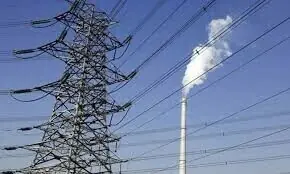
Meanwhile, addressing a news conference Information Minister Qamar Zaman Kaira termed it “the best budget”. He said Rs120 billion had been allocated for the energy sector and the finance minister had assured the cabinet that he would provide any amount needed to overcome the energy crisis.
Mr Kaira described the PML-N’s protest as a “shameful and irresponsible act”. Responding to a question, he indicated a possible action by the speaker against unruly opposition members.
The Pakistan Tehrik-i-Insaaf termed the budget a “meaningless exercise” on the basis of performance statistics. A spokesperson for the PTI said in a statement the government presented a budget each year and then completely ignored it and the year ended with no semblance to the original budget.
“The budget presented by the government does not address any of the fundamental structural problems being faced by the country. There is nothing substantive in it which deals with the high rate of inflation, increasing unemployment, low savings and investment rates, inadequate and unfair revenue base, massive losses in public sector enterprises, huge unproductive expenditure by the government, low investment in the welfare of citizens or making the country more competitive globally to spur exports,” the statement said.