



 0
0

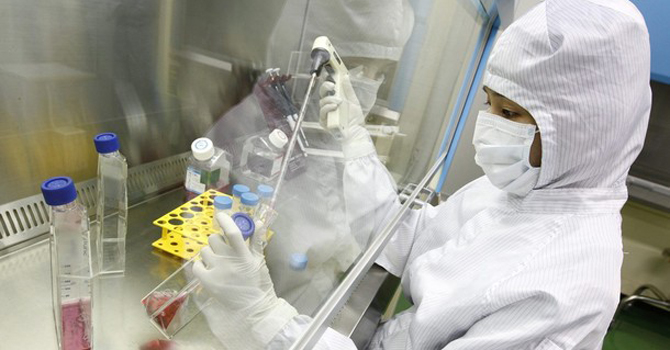
PARIS: Some stem cells can lay dormant for more than two weeks in a dead person and then be revived to divide into new, functioning cells, scientists in France said Tuesday.
The research, published in the journal Nature Communications, unlocks further knowledge about the versatility of these cells, touted as a future source to replenish damaged tissue.
“Remarkably, skeletal muscle stem cells can survive for 17 days in humans and 16 days in mice, post mortem well beyond the 1-2 days currently thought,” they said in a statement.
The stem cells retained their ability to differentiate into perfectly functioning muscle cells, they found.
“This discovery could form the basis of a new source, and more importantly new methods of conservation, for stem cells used to treat a number of pathologies,” the statement said.
Stem cells are infant cells that develop into the specialised tissues of the body.
They have sparked great excitement as they offer hopes of rebuilding organs damaged by disease or accident.
The study led by Fabrice Chretien of France's Pasteur Institute found that to survive in adverse conditions, skeletal muscle stem cells lower their metabolism to enter a dormant state, using less energy.
The team then also looked at stem cells taken from bone marrow, where blood cells are produced.
These remained viable for four days after death in lab mice and retained their ability to reconstitute tissue after a bone marrow transplant.
“By harvesting stem cells from the bone marrow of consenting donors post mortem, doctors could address to a certain extent the shortage of tissues and cells,” said the statement, issued by the four institutes backing the research.
The investigators sounded a word of caution, though.
The approach was “highly promising”, but required more testing and validation before it could be tested in humans.


























