



 0
0

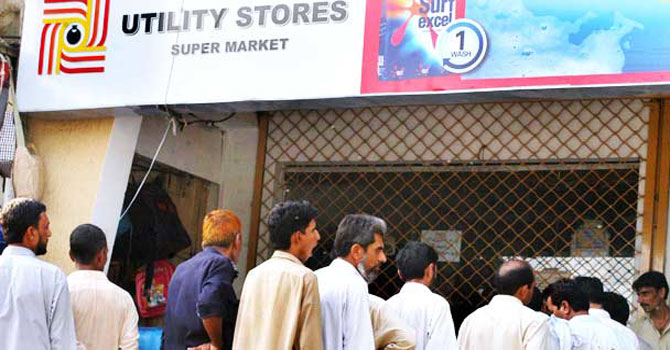
ISLAMABAD: The Economic Coordination Committee (ECC) of the cabinet is expected to approve on Tuesday a Rs2.5 billion Ramazan package and give priority to the power sector in provision of natural gas after meeting requirements of domestic and commercial consumers.
A meeting of the Economic Coordination Committee to be presided over by Finance Minister Dr Abdul Hafeez Shaikh may also discuss a number of issues that could not be taken up last month due to removal of former prime minister Gilani’s cabinet on June 19.
Sources told Dawn that the ministry of industries had recommended a Rs2.5 billion subsidy for providing relief on essential items through the Utility Stores Corporation during Ramazan.
Under the proposed package, prices of 16 items, including flour, rice, pulses, gram, vegetable oil, ghee, sugar, dates, basin, rice, spices and beverages, will be reduced by 5-10 per cent. The prices of these items will be 10-15 per lower than the market rates because the USC is already providing most of the kitchen items at cheaper rates.
The sources said the ECC was expected to upgrade the power sector by one-notch up in providing natural gas to ensure increased power generation at cheaper rates as compared to furnace oil-based generation.
An official said the natural gas allocation and management policy of 2005 currently in vogue gave top priority to domestic and commercial consumers, followed by the fertiliser and industrial sector. The power sector gets third place on a priority list just before captive power plants and cement plants.
However, in view of an unmanageable electricity shortfall and increasing power tariffs because of heavy dependence on furnace oil and diesel, the ECC is likely to give the power sector second priority just after domestic and commercial consumers. As a result, fertiliser plants and industrial consumers will drop one step down on the priority list.
The ECC may put in place a joint expert mediation mechanism for resolution of a Rs735 million dispute between four smaller independent power producers (IPPs) — Orient, Saif, Sapphire and Halmore with a total capacity of 840MW — and Sui Northern Gas Pipelines Limited.
The dispute emerged following disruption of gas supply last year due to sabotage activities and technical reasons on part of gas producers which forced the SNGPL to declare force majeure — a legal remedy for events beyond its control. As a result, the IPPs had to follow suit but were denied capacity payments by electricity purchaser.
The ministry of water and power believed that since gas disruption was beyond the control of IPPs, they should be compensated under power purchase agreements and pleaded that the SNGPL should bear the losses. The SNGPL contested the suggestion on ground that it could not be held responsible for events beyond its control and if the government wanted to compensate IPPs it should provide funds.





























