



 0
0

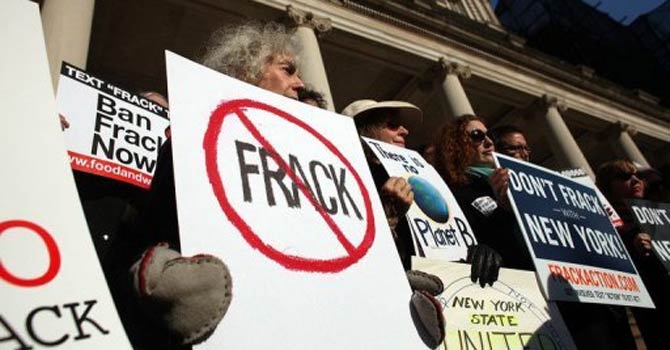
WASHINGTON: Naturally occurring underground pathways may increase the risk of well water pollution from fracking, a process used to release natural gas from the ground, US scientists said on Monday.
While the latest study by Duke University researchers does not find evidence that methane found in some samples of drinking water was directly caused by fracking, it raises concern about the ease with which deep ground elements can infiltrate shallow wells.
Amid concern by environmentalists about the potential dangers of fracking - hydraulic fracturing - a key argument by oil and gas interests has been that it is not risky to drinking water wells because the activity occurs deep beneath the Earth, far from the wells which are closer to the surface.
“This is a good news-bad news kind of finding,” said co-author Avner Vengosh, professor of geochemistry and water quality at Duke's Nicholas School of the Environment.
Researchers found it was unlikely that shale gas drilling had caused higher levels of salinity in some of the water wells sampled, since the briny wells were either not near drilling operations or showed higher salinity prior to drilling.
However, the examination also suggested that there must be natural pathways through which gases and salty brine liquid from deep in the Earth can travel in order to infiltrate and change the quality of shallow water wells.
“This could mean that some drinking water supplies in northeastern Pennsylvania are at increased risk for contamination, particularly from fugitive gases that leak from shale gas well casings,” Vengosh said.
The study focused on the northeastern Pennsylvania region and included 426 samples from groundwater aquifers in six counties overlying the Marcellus shale formation.
The formation is located about a mile underground and contains highly saline water that is naturally enriched with salts, metals and radioactive elements.
Valleys appeared to be particularly vulnerable, said Nathaniel Warner, a PhD student at Duke who was lead author on the study.
“By identifying the geochemical fingerprint of Marcellus brine, we can now more easily identify where these locations are and who these homeowners might be.”
The study appears in the Proceedings of the National Academy of Sciences, a peer-reviewed US journal.
Last year, the Duke researchers published an article in the same journal that described methane contamination in drinking water sources located close to fracking operations.
“These results reinforce our earlier work showing no evidence of brine contamination from shale gas exploration,” said co-author Robert Jackson, director of Duke's Center on Global Change.


























