ISLAMABAD, Aug 11: Inadequate investment in education over the years coupled with the absence of right policy mix, deteriorated governance and poor implementation has pushed the country’s youth in a state of disarray.
Statistics released by the Planning Commission show that the country’s youth population is now about 54 million or 30 per cent of the total population. Pakistan experiences a youth bulge which will change the composition of future labour force over the next three decades with more than one-third of youth lives in urban areas, and this share is expected to reach to half by 2030.
As the International Youth Day is being observed on Sunday, International Labour Organization (ILO) says that promoting youth employment has become a top priority for many governments.
Youth Day, marked every year on August 12, aims at drawing attention to issues affecting young people worldwide. It is also an opportunity to highlight some of the policies and practices that can help tackle the youth jobs crisis.
Planning Commission says in a report that the growing frustration among youth can be well understood from the prevalent educational and skill profile on the supply side and declining job opportunities on the demand side.
If the available young human resource of the country which is unprecedented in the history, is not utilised and harnessed, by 2045 when majority of the population would be aged, and there will be enormous pressure on the economy to look after that part of population, says the commission.
The Planning Commission says that the social and economic costs of youth unemployment are enormous, and there is an urgent need to invest more in youth to utilise their energies and to ensure that next generation of Pakistan has better economic and social development prospects.
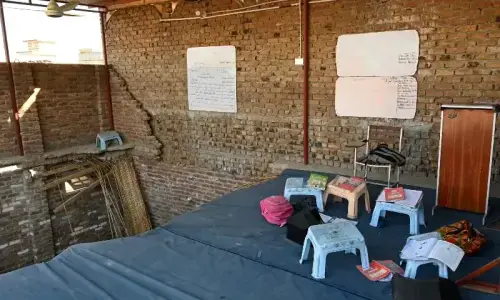
According to Planning Commission, lack of policies that actively promote youth development has affected the economy and society adversely. The poor quality of education in public schools gave rise to parallel education systems in the form of private English medium schools and Madrassahs.
The report says that universal primary education coverage is limited due to which youth is predominantly illiterate and out of schools. Public health coverage is limited while private health is not affordable and the result is that burden of diseases is high.
The world is facing a worsening youth employment crisis: young people are three times more likely to be unemployed than adults and over 75 million youth worldwide are looking for work. The ILO has warned of a “scarred” generation of young workers facing a dangerous mix of high unemployment, increased inactivity and precarious work in developed countries, as well as persistently high working poverty in the developing world.