0
0

ISLAMABAD, Oct 9: With gas shortage much severer than anticipated amid financial difficulties to arrange alternative fuel oil, the government is likely to introduce a ‘special 33 per cent higher winter tariff’ on CNG for the transport sector at least for three months.
Background discussions with government officials suggested the energy situation was so serious that all wings of the petroleum and the water and power ministries have been working late into the night to come out with some face-saving arrangement.
“For the past few days we haven’t been able to leave office before midnight and remain busy in doing various exercises for gas supply adjustments,” a senior official of the petroleum ministry told Dawn. He said besides increasing the period of gas curtailment to the CNG sector, the petroleum ministry had proposed to raise its price to 80 per cent of petrol for three months from Dec 1. At present, CNG is sold at 60 per cent of the price of petrol.
The economic coordination committee (ECC) of the cabinet is expected to take a decision on the issue in its next meeting.
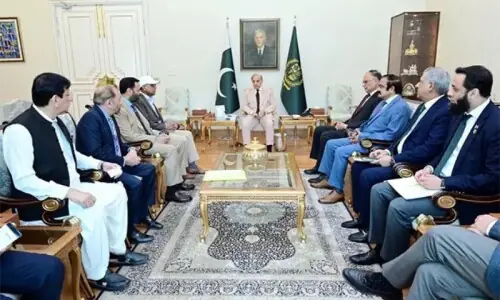
Insiders said the two proposals — increases in supply curtailment and prices — were also shared with Prime Minister Raja Pervez Ashraf, who was worried over a possible adverse reaction from transporters and asked questions regarding anger management.
He was informed that the alternative was more serious because supply shortages to domestic consumers could lead to widespread public protests. “The prime minister agreed that the domestic sector should get priority in gas supplies, followed by the power sector, so that electricity shortages remained within manageable limits,” an official said.
A series of meetings in the ministries of petroleum, water and power and finance revolves around the single biggest challenge: how to manage up to two BCFD of gas shortage and how to adjust supplies within domestic, industrial, power and commercial sectors, said the official, adding that fertiliser and CNG industry seemed to be at the losing end this winter.
Estimates suggest total gas supplies at about 4.2 BCFD against an anticipated demand of about six BCFD during winter, leaving a shortfall of about 1.8 to 2 BCFD. On top of that, fresh connections were in full swing on the directives of the prime minister’s secretariat despite serious reservations of gas companies and the petroleum ministry. Inauguration of new schemes is now on the rise because of the coming elections.
Currently, more than 1.1 million applications for new connections are pending with the SSGC and SNGPL. On the contrary, the Oil and Gas Regulatory Authority discourages more than 150,000 connections a year.
More serious still, the government did not have the money to arrange fuel oil imports for power generation. This is despite the fact that the petroleum sector’s circular debt stood at Rs360 billion on Oct 5, including Rs150 billion receivables of the Pakistan State Oil and Rs150 billion of the gas companies.
On the other hand, the power sector circular debt stood at Rs400 billion. “Unless the affairs of distribution companies of Wapda were managed, the circular debt problem could not be resolved,” an official said, adding that the recent move to have independent boards of power companies had created more problems than resolving them.
Officials said some new gas production projects were coming up, but these would only compensate for the ongoing resource depletion at the existing fields without providing any relief.
They said the professionals at the power and petroleum ministries also faced teething problems in educating newly-inducted secretaries and directors general who took time in comprehending technical issues.