0
0

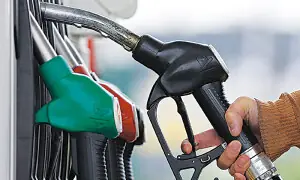
PESHAWAR, Oct 14: The dealers of cattle heads have held frequent hike in prices of petroleum products and extortion by police at different checkposts responsible for increase in the rates of sacrificial animals.
During a visit to the cattle market at Ring Road on Sunday, the dealers told this correspondent that the rates of animals were increased from Rs10,000 to Rs15,000 as compared to the previous year.
They said that there was no consistency in the rates because the prices of animals were increased whenever the rates of petroleum products were revised.
“The prices of animals are not different from that of last year but transportation charges cause increases in rates of every thing including fodder,” said Farman Khan, a dealer of Kohi Daman area in Peshawar.
He said that last year a truck used to charge Rs13,000 from Lahore to Peshawar while this year it rose to Rs30,000. Similarly, the transportation charges from Multan were previously Rs24,000 and that reached Rs40,000.
The transportation charges from other cities like Bahawalpur and Rawalpindi were increased manifold, forcing the dealers to raise prices of animals.
Another dealer Arshad Khan of Dalazak Road said that price of 40 kilogram fodder was increased from Rs200 to Rs300. The fodder was also short in Peshawar because of the drought and they had to bring it from Punjab, he added.
It was noted that the rate of local animals were comparatively low but people were reluctant to buy them as they were physically weak.
Shakir Khan, a dealer of Mohmand Agency, said that local animals were sold in villages because people living in the cities did not like them. He said that the animals brought from Punjab were fat and heavy because of abundance of fodder and pastures there.
About smuggling of animals to Afghanistan, the dealers said that supply from Peshawar had been restricted to some extend but even then police were in the habit to take money and allow truckers loaded with animals at nighttime.
However, they said that the two illegal slaughterhouses in Peshawar had been sealed and supply of meat had been stopped since Ramazan.
The dealers had different opinions about supply of animals to Afghanistan. Some of them said that restriction had caused increase in the rates of animals because the supply continued but the wholesalers were taking advantage of the situation.
They suggested that federal government should imposed ban on supply as restriction imposed only by Khyber Pakhtunkhwa would be of no use. “Our provincial government banned it on directives of the court but Afghans are shifting animals via Chaman border of Balochistan and the dealers of Punjab are exploiting them,” they said.
“Afghans like to purchase young and fatty animals because weak animals can’t survive due to the long journey from Punjab to remote parts of Afghanistan,” they said.
The people living in city of Peshawar, they said, loved goats, sheep and young cows while those living in the villages preferred buffalos and grown up oxen.
They said that the business gain momentum six or seven days ahead of Eidul Azha because most of the people had no space in their houses to keep them. The officials of Town-I said that tax had also been increased from Rs600 to Rs700 on purchase of an animal. There is no difference in tax for ox or buffalo, small or big animals but the buyers of different animals have to pay the same tax at the gate of market.
Shahid Khan, a resident of Kakshal, said that prices were high and he might come again before Eidul Azha to buy an animal.
Saleem, another buyer, said that in the past he used to sacrifice goat or ram but this year he opted to get share with his neighbours owing to increase in the prices of animals.
The space meant for sheep and goats in the market was empty. People said that dealers would bring goats and sheep one week ahead of Eidul Azha because majority of the buyers of such animals belonged to posh localities and had no space for keeping animals.