0
0

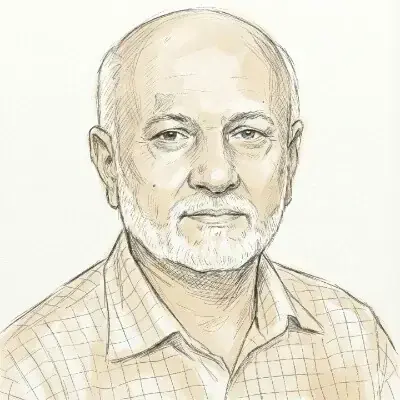
ISLAMABAD: Shahnaz Wazir Ali, Special Assistant to Prime Minister on Social Sectors, who also heads the Special Committee of the Parliament on the Millennium Development Goals, defended the government that launched a landmark social security programme for the poor.
In a brief interview with Dawn over telephone she dismissed poverty data doing the rounds as speculative. She said that the actual poverty situation and profiling of health and education would only be possible once the credible data is attained for which the work is in progress.
She hopes that by the end of the year the government will be in a position to tell the nation how many people have been pulled up and what percentage of the population continue to subsist below the poverty line.
The PPPP-led government which completes its five-year tenure in March next year has yet to launch this year’s progress report on the MDGs.
Q. Can you please tell the current poverty rate in Pakistan to clear the confusion? Will Pakistan be able to keep the promise it made in 2000 to bring poverty level down to 13 per cent by 2015?
SWA: A credible data on the rate of prevalence of poverty in the country will only be available when the relevant authority completes the census on poverty. It would also reveal data on household income, size of household and their health and education profile. The census will put a system in place to monitor progress on the said goals of social wellbeing.
Though no official figure is yet available, a very large population still living below poverty line. Multilateral donors like World Bank and UNDP quote figure on poverty in Pakistan according to their own yardsticks and indicators. The government does not subscribe to data that depicts 30 to 35 per cent of the population under poverty line.
Q. There is perception that the government did not take ownership of MDGs as they are not mentioned in many economic policy documents. In the current Pakistan Economic survey the chapter on poverty was dropped. Your comments please?
SWA: The MDG deal with delivery of social services, a responsibility that is vested with the provinces. Health and education had always been their responsibility. These were provincial responsibility even before the devolution process under the Eighteenth Amendment kicked of. However, certain projects related to health, maternal mortality, child mortality rate and communicable diseases (TB, HIV and Hepatitis) are funded by the federal government.
On the issue of dropping of chapter on poverty in the Pakistan Economic Survey, the National Assembly Special Committee on MDGs lodged a protest with the Planning Commission. The special committee has also questioned the Planning Commission about the closure of its two units dealing with reduction of poverty and income redistribution.
Q. The economic policy options of the PPP government are confusing. On the one hand it launched BISP and on the other ‘the growth strategy’, a policy document, projects growth as a strategy to address all other challenges. Don’t you think that the lack of thrust in one direction blunted efforts and affected the outcome?
SWA: There is no confusion. BISP is the most significant programme of the present government dealing with large scale social protection network. The government is serious about the safety net prograrmme being run under BISP. Special features of the programme include Waseela Haq, Waseela Taleem, Waseela Sehat, cash transfer and vocational training programmes.
While the growth strategy of the government deals with different objective. It focuses on energy, agricultural development, industrial growth, water development, value-added industry, IT industry, trade and commerce, informal sector, and the development of infrastructure including the provision of farm-to-market access.
Q. In your view how far the equity objective serves to promote efficiency, growth and development?
SWA: Equity is indispensable for development.