While over the decades, relations between the member nations have improved, particularly in terms of economic and trade ties, it cannot be said that the SAARC countries have managed to fully adhere to the charter in letter and spirit.
Peace remains a crucial issue, in most of the eight countries and especially in the Pak-Afghan part of the region. The Indo-Pak deadlock over Kashmir remains a hurdle in improving relations between the two countries in particular and in the region, in general.
On the other hand, recent violence in Myanmar and the exodus of Rohingya Muslims towards Bangladesh and India had shown that heads of the states, over the years, have failed to find a workable solution to the problem.
While Sri Lanka has put its 26-year civil war, between the government and the Tamil fighters, there remain shrouds of instability in the island nation.
Afghanistan, which became a part of SAARC in 2007, is still reeling from decades of conflict and has a long way to go before it achieves stability.
Meanwhile, visa exemption – in a bid to promote people-to-people contact – is only applicable in certain countries and is limited to dignitaries and other high-ranking officials, as opposed to the common man.
Is it possible for the SAARC nations to implement the charter and work towards the promotion of peace and stability in the region?
How can the governments of these countries and their people help ease their regional neighbours’ problems, including poverty and social issues?
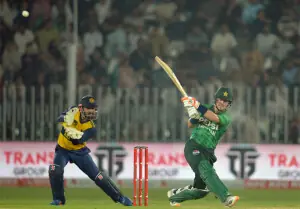
Can social, cultural and sporting events play a part in improving ties and create an atmosphere of regional co-operation?