0
0

WASHINGTON: The US State Department made a “grievous mistake” in refusing to shut down its mission in Benghazi, Libya, despite the deteriorating security situation in the country, a Senate report said Monday.
The diplomatic post was kept open “despite the inability of the Libyan government to fulfill its duties to secure the facility and the increasingly dangerous threat environment that American intelligence described,” US lawmakers concluded.
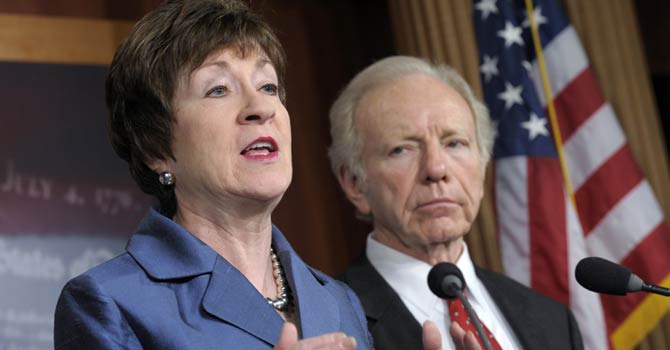
In the report, entitled “Flashing Red: A Special Report On The Terrorist Attack At Benghazi,” chairman Joe Lieberman and ranking member Susan Collins of the Senate Committee on Homeland Security found security at the mission seriously lacking.
Four Americans, including ambassador Chris Stevens, were killed when heavily-armed men overran the Benghazi mission on Sept 11, setting fire to much of the compound and then attacking a nearby annex.
The report comes just weeks after the State Department's own investigation slammed security at the site as “grossly inadequate.”
One top State Department official has resigned in the wake of the internal review, ordered by Secretary of State Hillary Clinton, and three others have been placed on administrative leave.
In their separate report, the senators recommended the State Department must from now on plan for all types of attacks even if there is no imminent threat.
Intelligence agencies “must broaden and deepen their focus in Libya, and beyond, on nascent violent Islamist extremist groups in the region that lack strong operational ties to core Al-Qaeda or its main affiliate groups.”
While a few members of the Feb 17 militia, assigned by Libyan authorities to protect the mission, had helped the US staff on the night of the attack, the local security was “woefully inadequate,” the senators wrote.
So if a host country cannot meet its obligations to protect US diplomatic missions then “the Department of State must provide additional security measures of its own, urgently attempt to upgrade the host nation security forces, or decide to close a US diplomatic facility,” they recommended.
They also proposed that the Pentagon provide more resources to defend Americans and their allies in Africa which has increasingly become a haven for terrorist groups in places such as Libya and Mali.
Through the Senate committee's investigation “we hope to gain a better understanding of what went wrong and what we must do now to ensure better protection for American diplomatic personnel,” the senators wrote.
They also recommended that the intelligence community should not draft talking points for government officials preparing to discuss any future attacks.
And they urged that “when terrorists attack our country, either at home or abroad, administration officials should speak clearly and consistently about what has happened.”
Republican lawmakers heavily criticized the administration of President Barack Obama in the weeks after the attack for initially insisting it had stemmed from a protest, rather than being a coordinated terror attack.
US envoy to the United Nations, Susan Rice, was slammed by Republican lawmakers for using talking points in Sunday talk shows just days after the Benghazi attack which failed to link the assault to terror groups.