NEW DELHI: The father of an Indian student whose brutal rape provoked a global outcry said he wanted her name made public so she could be an inspiration to victims of sexual assault, a call that was quickly taken up by social media users and may pressure authorities to allow her identity to be revealed.
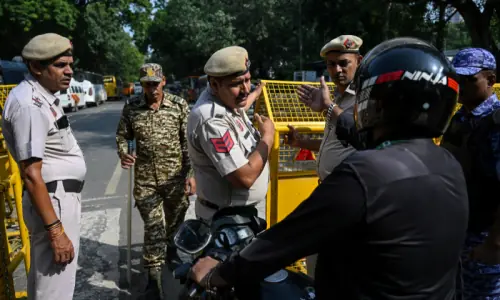
The 23-year-old physiotherapy student died on Dec. 28 in a Singapore hospital, two weeks after a gang rape on a moving bus in New Delhi that ignited protests across India and neighbouring countries and government promises of tougher punishments.
“We want the world to know her real name,” the woman's father told Britain's Sunday People newspaper.
“My daughter didn't do anything wrong, she died while protecting herself,” he added. “I am proud of her. Revealing her name will give courage to other women who have survived these attacks. They will find strength from my daughter.”
The father's interview sparked widespread interest on social networking sites. Her name was the top trending topic among Indian Twitter users with many, including journalists and Bollywood actors, praising his decision to reveal her name.
Mainstream Indian media did not identify her, however, and she was still being referred to as “Amanat”, an Urdu word meaning “treasure”, by some TV channels.
A spokesman for Delhi Police declined to comment when asked if the authorities would take action against social networks or publications carrying the student's name.
There have been growing calls in India to name the victim. Politician Shashi Tharoor last week questioned the merit of keeping her anonymous, and suggested naming new anti-rape law after her, a proposal her father supported.
Indian law generally prohibits the identification of victims of sex crimes. The law is intended to protect victims' privacy and keep them from the media glare in a country where the social stigma associated with rape can be devastating.
The father later told Reuters he had no objections to the media using his daughter's name, but did not elaborate.