0
0

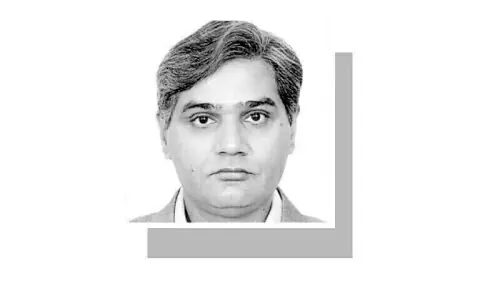
HYDERABAD, Jan 9: Renowned nomad anthropologist and researcher Khursheed Kaimkhani died at a Karachi hospital on Wednesday after a long illness. He was 80. His body was taken to Tando Allahyar, his hometown, where he will be laid to rest on Thursday.
He left two sons, a daughter, a widow and thousands of admirers among the gypsy and scheduled caste communities and fans in the fields of literature, history and anthropology to mourn his death.
Mr Kaimkhani, well known for his contributions to anthropology, history and literature of gypsies, scheduled castes and other nomad tribes, served in the army for 15 years before turning to the field of research.
Born to a soldierly family in 1933 in a small village in Rajasthan, India, Mr Khursheed acquired primary education at the Madhu Singh primary school in Seker (Rajasthan) and later in Municipal School Tando Allahyar when his family moved to Tando Allahyar after partition.
Following family traditions, Mr Kaimkhani joined the army after matric from Noor Mohammed High School, Hyderabad, and received his commission at the Military Academy, Kakul, but he always felt he was not cut out for soldiering. When the army decided to launch a military operation in what was then East Pakistan in the 1970s he called it quits and resigned as senior major, risking his pension and other fringe benefits which were withheld for voicing dissent.
Once free of the burden of military life, he plunged into his only loves of life: travel and research. His first column was published in the Daily Star on Rama Pir, a saint of Hindu scheduled castes.
Mr Kaimkhani had not received any formal education in anthropology or sociology but his keen interest in the fields earned him name as an established anthropologist.
He contributed immensely to anthropology, history and literature of gypsies, scheduled castes and other nomad tribes and undertook journeys to many countries to get firsthand knowledge about their life, culture and anthropology.
In recognition of his work, Mr Kaimkhani was given an award by the Sindh Graduates Association, an organisation of social workers and educated people of Sindh. Faiz Mohammad Sheedi, a well-known leader of the Sheedis, was among his best friends.
Mr Kaimkhani authored four books “Sipyaan aur Pathar”, “Bhatkti Nasleen”, “Sapnon ka Des” and “Umeedoon ki Fasal” and wrote hundreds of columns and articles in English-, Urdu- and Sindhi-language newspapers.
He founded a small library for peasants in his village near Tando Allahyar and set up a school for Jogis (snake charmers) in Tando Allahyar town.
He gave away three acres of his land to scheduled castes Kolhis and Bheels.
Mr Kaimkhani attended a number of international conferences on indigenous people in the US and France.
He was a bitter great critic of feudal lords and capitalists. In his autobiography he wrote: “I saw capitalists and feudals betraying people in the name of popular slogans.
And also institutions responsible for law and order engaged in violating law and constitution.”