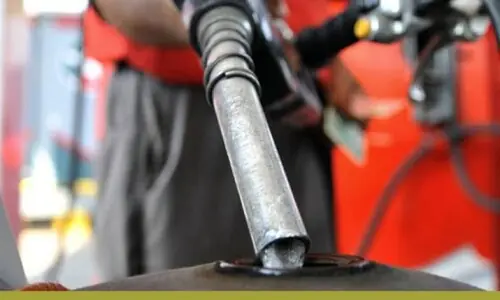
The world is going through a serious energy crisis. I'm told that there is a scarce amount of fuel left to satisfy our energy demands, and if we keep on going like this, all the fuel reservoirs of the world will be consumed within 200 years.
That means we should cut short on our usage of non-renewable sources of energy, like fossil fuels, in order to save for the future generations. But we’re increasing the usage instead, and this is an alarming situation.
There are two types of energy sources; renewable and non-renewable. Renewable sources of energy are those which are provided by nature in unlimited quantity, and they won’t be depleted anytime soon- like solar and wind energy. While on the other side, there are some sources of energy that are non-renewable. As the name implies, they cannot be used once they’re consumed, and they’re depleting over time. The most common of them being oil, gas and coal.
So how can we make the switch?
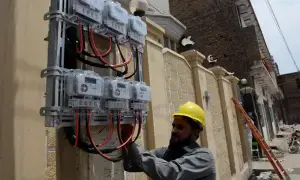
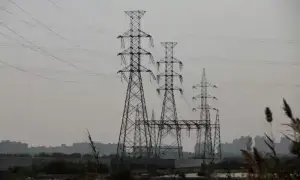
We can’t really run vehicles on renewable energy sources yet, but the second largest cause of depletion of non-renewable resources is due to electricity generation. We all need electricity for everything we do (really, try figuring out how life would be without electricity- we can pass a day or two without it, but imagine months or even a year without electricity). That’s where we can bring in an alternative. Alternate energy production includes getting energy from the infinitely large source of light and heat, the sun- or using wind to run wind turbines, which in turn generate electricity.
Applying solar or wind power generation solutions on a wide scale would be a long term project (and may or may not take place), so we should try to reduce our own carbon footprint by adopting one of these alternative power sources.
Would it be sufficient to power an entire household indefinately?
In a country like ours, we’re blessed with sunlight almost all year, which means this solar energy can be utilized well. A one-time investment on Solar Cells (for household use) can help cut your regular electricity bills in half- or eliminate it completely (if you manage to cut down your energy requirements as well).
Most people in foreign countries are switching to alternative energy sources for their household needs in order to reduce their carbon footprint. It’s impressive how people have installed miniature wind turbines in their houses which work efficient enough to produce a decent amount of electricity.
I remember giving a presentation on ‘Wind power’ once. It emphasized on the fact that there’s enough potential for electricity generation through Wind Power in Pakistan. Anyway, I decided to review that presentation before writing this post, and I was shocked to see the statistics that were in there.
According to the data that I gathered, there would be wind power projects producing up to 50MW of electricity per month. What happened?
One day, we as a people will also realize the need for conserving the resources of nature, and use those resources that are readily available. On that day, we will switch to green sources of energy, in order to save the environment for a better future.