ISLAMABAD: Pakistan has agreed to give a formal role to Afghan High Peace Council in the release of remaining Taliban detainees. Pakistani authorities would consult High Peace Council through a new coordination mechanism being set up before setting more Taliban prisoners free.
The new mechanism gives a say to high peace council about who should be released for being useful in the peace and reconciliation process.
Pakistan and Afghanistan had agreed on the coordination mechanism for release of Taliban fighters and commanders detained in Pakistan, during the Chequers Summit in London earlier this week.
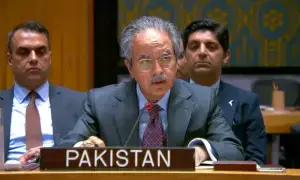
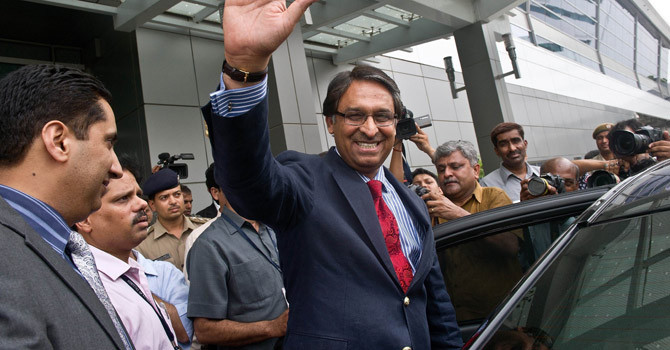
“We would send lists of Taliban prisoners that we intend to release to the Afghan High Peace Council which would comment on the names in those lists,” Foreign Secretary Jalil Abbas Jilani told the Senate Foreign Affairs Committee on Friday.
At the summit it was agreed to institute “arrangements to strengthen coordination of Taliban detainee releases from Pakistani custody in support of the peace and reconciliation process”.
Pakistan has so far released 26 Taliban in at least two batches. Those released included some high-profile Afghan commanders and political leadership of the Taliban regime.
Islamabad had earlier decided in principle to release all Taliban who had been in detention in Pakistan.
The number of Afghan Taliban detained in Pakistani jails is not clear, but they include several high-profile prisoners including Mullah Baradar, the former deputy chief of Taliban.
Release of Mullah Baradar has been a major demand of the Afghan government and the High Peace Council.
Afghan government had lauded the release of Taliban prisoners saying it would help advance reconciliation process. However, Afghan diplomats and political leaders had been complaining in private about not being properly informed about those released.
The new arrangement is likely to further enhance confidence between Kabul and Islamabad.
Foreign Secretary Jilani told the committee that Pakistan had started releasing Taliban prisoners on the request of Afghan President Hamid Karzai and High Peace Council.
The first batch was released during the visit of a delegation of the council to Islamabad last November.
The secretary, however, denied any international pressure behind the decision to release Taliban detainees.
Pakistan and Afghanistan are separately setting up a commission to look after the issue of ordinary prisoners being held in each other’s jails.
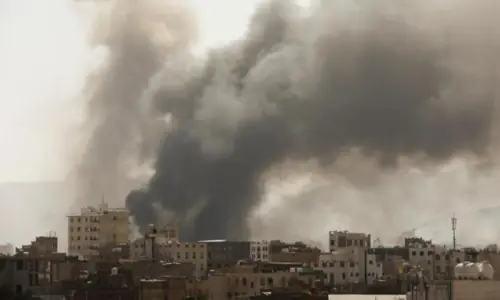
DRONES: The Senate Committee was told that Pakistan could not afford to shoot down US drones.
“We cannot bear the fallout of shooting down drones,” Mr Jilani said while listing the options available for Pakistan to deal with US drones violating Pakistan’s airspace.
He said Pakistan’s policy for dealing with drones is two pronged — reiterating the policy position that drone strikes were counter-productive and a violation of international law; and holding talks with the US for getting them stopped.
But, he underscored that the best possible option for Pakistan was to rid its tribal areas of all foreign militants.
“We need to have a comprehensive policy for expelling all foreign fighters having sanctuaries in Fata,” Mr Jilani said.
His views were endorsed by Senator Mushahid Hussain who said the presence of foreign fighters gave excuse to other countries to violate our sovereignty.
He reminded that China and Iran had also protested against presence of foreign terrorists’ sanctuaries in our territory.
Pakistan estimates that some 1900 — 3000 people have been killed in US drone attacks.
Chairman Foreign Affairs Committee Senator Haji Adeel noted that there were about 473 Pakistanis among those killed by drones. He said that relationship of Pakistani victims with the targets of the drones was not clear.