0
0

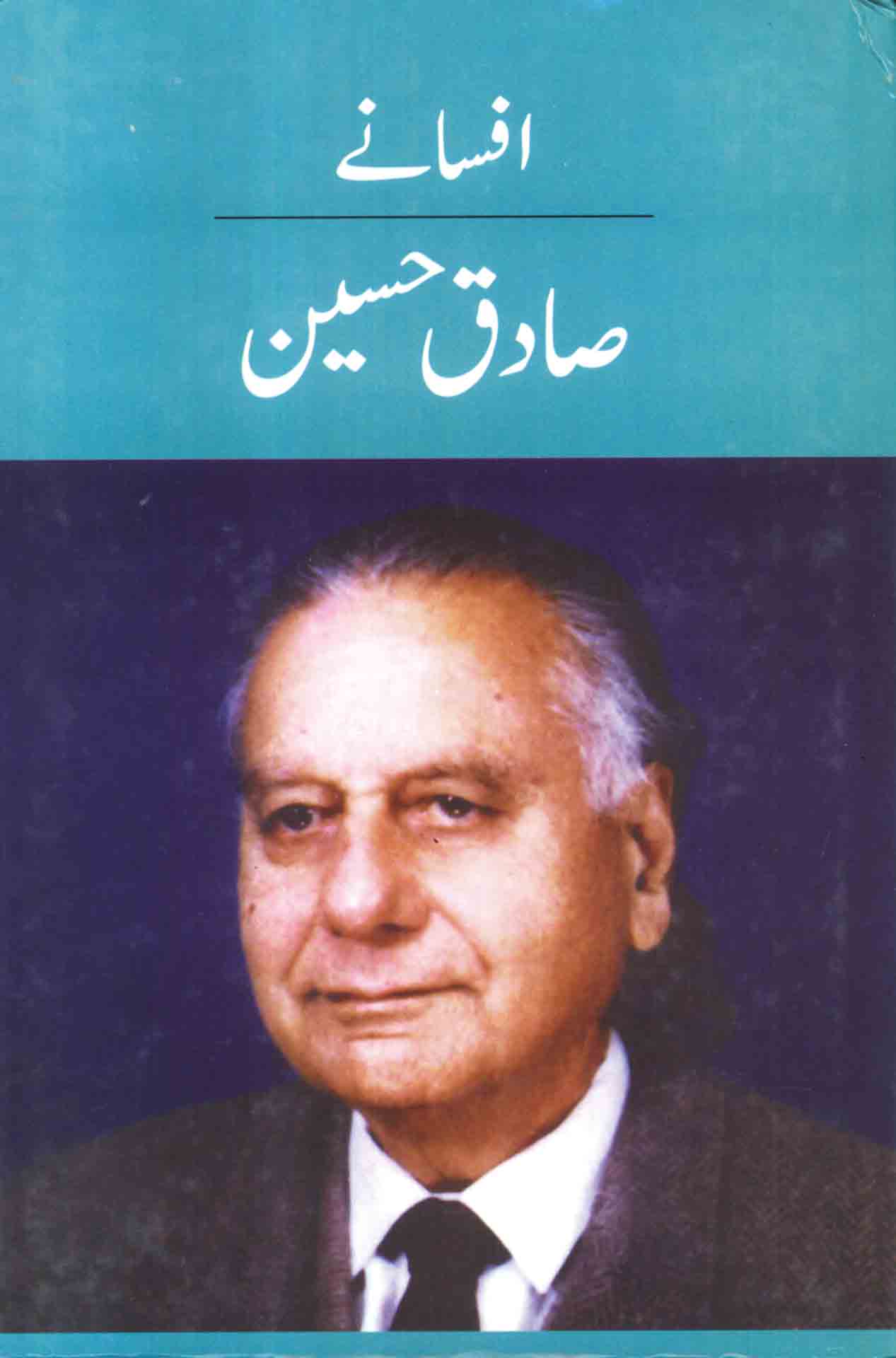
THIS large, hefty tome brings together the entire output of short-story writer Sadiq Hussain and has many things to offer to those who delight in the condensation and precision of this challenging yet satisfying form of art. By bringing together all of his short stories written over a long span of time, Afsaney provides an occasion to evaluate and discuss the position the author occupies among his contemporaries. The readers of today need a nudge in order to recall Hussain’s name. Though not entirely forgotten, Hussain was generally overlooked as his books went out of print after an initial bout of success. From the brief biographical note included in the collection, the basic details of his literary career can be gauged and are helpful in contextualising his choice of themes and style.
Hussain shot into prominence when one of his early short stories was published in the prestigious literary journal, Nuqoosh. “Buffet,” published in 1954, announced the arrival of a talented new writer. “Pohnchian,” is one of his earliest and probably one of his best stories, about a toiling labourer Khuda Dad Khan whose newly married bride yearns for a pair of pohnchian for her hands. By the time he is able to put together enough money to buy the jewellery, his daughter is ready to wear it. This story not only opens the collection but also defines the subject matter and themes which characterise the very best of Hussain. The second story focuses on a bricklayer who loses his life when he wants to earn a decent amount of money for his wife and young child. The main character is drawn in bold strokes as an idealised portrait and the real culprit is the greedy contractor for whom a human life is less important than his income.Throughout his career, Hussain has returned to rural themes and the lives of peasants and labourers who struggle hard to make ends meet. He has a natural affinity with the lives of simple folk and their aspirations and seems to be closer in spirit to the fictional world of Ahmed Nadeem Qasimi, who painted the rural landscape in some of his best-known stories.
A different strand emerges in a handful of Hussain’s stories set in East Pakistan, where he was posted in the early days of his career. He writes not only of the lives of poverty-stricken peasants but the bright and shallow world of the officers and the affluent class, crafting the stories with a stark contrast. He does not write of big life events or major upheavals, but remains close to the lives of ordinary people.
In story after story, Hussain writes about the basic struggles of everyday life as it is lived by the majority. His concerns are essentially humanistic rather than ideological. He does not attempt to move away from the areas he knows well. This is not only his strength but can also be seen as a limiting factor. His language has a formal elegance and is a contributory factor in making his stories enjoyable.
Hussain’s first collection of stories was entitled Phoolon Kay Mahal and some years later it was followed by Shehar Under Shehar. Both these volumes were received well by critics and reviewers and a sampling of their comments is included in this collection. These include well-known names such as Waqar Azeem, Rashid Ahmed Siddiqui, Niaz Fatehpuri, Dr Jameel Jalibi, Ehtisham Hussain, Gopichand Narang, Dr Anwar Sadeed and others. These names give an idea of the standing Hussain enjoyed in his lifetime.
After his death in 2005, his family put together another collection, Gulab Kay Aanso. An unfinished work called Zameen has also appeared posthumously and the present volume also announces an unpublished novel called Naya Savera. The late author’s literary heirs have done well to make his work available to readers and one appreciates the hard work and efforts which must have gone into the making of this volume. This book will no doubt be useful for critics and scholars but from the lay reader’s point of view, it may have been more practical to make a selection of Hussain’s best and most representative writing.
Afsaney
(SHORT STORIES)
By Sadiq Hussain
Book Home, Lahore
544pp. Rs1,200