4
4
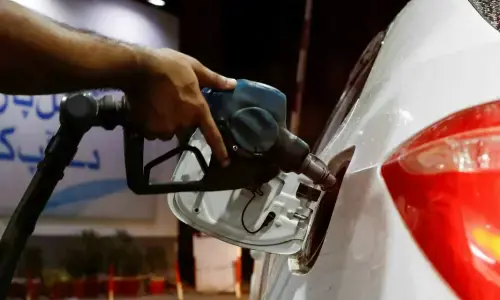
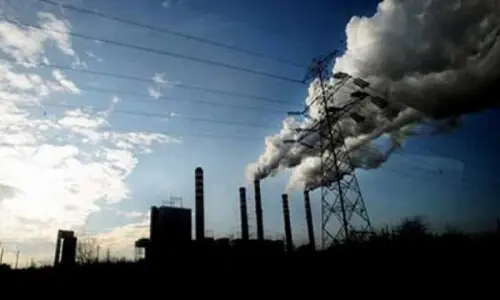
AS if we didn’t know already: a water and power ministry official has warned us that the worst-ever power crisis is due to hit Pakistan this summer. But he, or anybody else for that matter, hasn’t told us as to what the ministry or the government are doing to stave off what is slated to come; therefore, it may just be safe to assume the answer is ‘nothing’. At the core of our growing power troubles lie a confused energy policy and disjointed decision-making, huge subsidies for the wealthy, the weak finances of the government, inefficient and corrupt generation and distribution systems, and bureaucratic inertia stalling a change in the energy mix to boost output and decrease electricity cost. The growth in the demand for electricity has far outpaced the insignificant increase in the supply, despite of an injection of over Rs1.2tr in the power sector during the past five years. And even this amount wasn’t enough for the optimal utilisation of installed capacity. According to a recent report by the State Bank of Pakistan, the peak shortfall for the system of the Pakistan Electric Power Company rose from 2,645MW in 2007 to 8,398MW in 2012. Consequently, the country does not have enough electricity for its homes, shops and factories. The story of gas is not too different either. Heavily subsidised gas is being used to burn gas heaters and geysers rather than to generate power or operate industry. Little wonder, then, that the crippling ‘energy crisis’ has become a looming reality.
There are no quick fixes to Pakistan’s energy problems. The formation of a single ministry in charge of the entire energy sector, the formulation of a long-term integrated policy and complete autonomy to regulators could be the first steps in the long journey, after which could come the privatisation of power and gas utilities to attract private investment and change the energy mix to reduce dependence on expensive oil. Yet before embarking on that road the government must liquidate circular debt, eliminate subsidies for the wealthy and recover unpaid bills for the optimal utilisation of the capacity to minimise shortages next summer — a tall order indeed.