0
0

PESHAWAR, Feb 27: The key barrier to probe into the dumping of bodies in gunnysacks in the provincial capital is non-cooperation of the relevant families, Peshawar capital city police officer Imtiaz Altaf told a Peshawar High Court bench on Wednesday.
“The major hurdle to our investigation into the case is lack of cooperation on part of the relatives of the dead people. They have not been naming suspects. If they cooperate with us, it will be much easier for us to arrest the culprits,” Mr Altaf told Chief Justice Dost Mohammad Khan and Justice Mrs Irshad Qaiser.
He said investigation into the matter had been in progress and there had been a significant reduction in such cases since the court had taken up the matter.
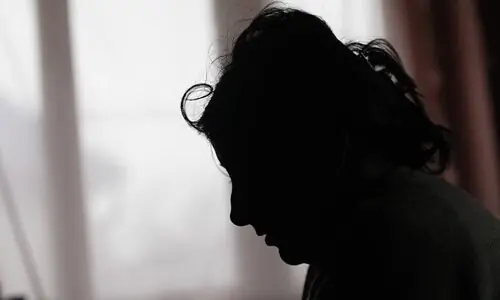
The chief justice observed that the relatives of missing persons were so much terrified and harassed by the influential quarters that they were not in a position to divulge anything regarding the suspects.
He observed that even police officials had not been cooperating with the court in such like issues ten what to talk of those ordinary people.
He added that if the police officials were aware about any sensitive information the bench was ready to hear them in the chamber.
The chief justice observed that clever killers used to dispose of dead bodies so as not to leave behind any evidence, but the elements involved in the present phenomenon had been dumping bodies for a purpose as they wanted to terrorise the people and the society.
He observed that in a civilised society such like acts were not permissible.
The court summoned the additional inspector general (AIG) and senior superintendent of police (investigation) directing them to inform the court about the investigation into the dumping of bodies in different parts of the provincial capital.
Later, the hearing was adjourned to Mar 26.
The officials were summoned after the Peshawar capital city police officer, Imtiaz Altaf, informed the bench that the AIG (investigation) had been heading the investigation regarding this issue.
The bench observed that none of the government institutions had the authority to carryout extra judicial killings and the court would strive to reach the culprits involved in this phenomenon so as to punish them for their deeds.
The human rights cell of the high court had referred this issue to the chief justice in Aug last year after newspapers reports that 26 bodies mostly stuffed in gunnysacks were dumped in different areas. Subsequently, several other bodies were dumped in different areas and it transpired that several of the dead people were ‘missing persons’.
Director general of health services Shareef Ahmad and additional advocate general Naveed Akhtar also appeared and informed the bench about action taken against the doctors who had conducted autopsy on the dead bodies, over which the court had earlier expressed dissatisfaction. They informed that those doctors were posted out of the district and a committee was constituted for inquiring into the matter.
The post-mortem reports of most of the dead people suggested that they had died of starvation.
The bench directed the director general to inquire from the said doctors why they had conducted improper post-mortems and whether they were under influence from any quarter in this regard or not.