ISLAMABAD: After a wait of almost two decades, the groundbreaking of $7.5 billion Iran-Pakistan gas pipeline will be performed on March 11 on the Pak-Iran border by the presidents of the two countries.
Agreements for opening two more border crossings (Gabd and Pasni) and setting up an oil refinery in Gwadar will also be signed after the ceremony, a Pakistan embassy official in Tehran told Dawn.
The ceremony will be held at Gabd zero point on the border from where the Pakistan section of the gas pipeline starts.
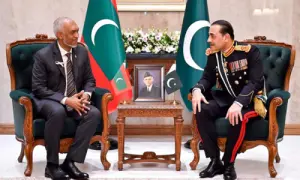
President Asif Ali Zardari returned on Thursday after a two-day visit to Iran for finalising the gas pipeline deal and sorting out financing and technical issues. “We have successfully completed all negotiations,” the official said after the president’s trip.
The two countries had initially planned to perform the groundbreaking on March 4, but delayed it for a week because of inadequate preparations for the ceremony.
A number of foreign diplomats posted in Islamabad are being invited to the event.
The pipeline issue is likely to bring Pakistan-US ties under renewed stress as Washington has been staunchly opposing the project.
“It’s in their best interests to avoid any sanction-able activity, and we think that we provide and are providing ... a better way to meet their energy needs in some of the assistance we’re providing,” deputy US State Department Spokesman Patrick Ventrell said on Wednesday.
In Tehran, President Zardari, while rejecting the US pressure, had said: “We deeply believe in boosting bilateral ties. The international and regional players have tried in vain to prevent expansion of Iran-Pakistan ties but the people have learnt how to act against the enemies of Islam.”
The project has time and again run into problems. It initially started in 1994 as Iran-Pakistan-India gas pipeline, but in 2009 India separated itself from the project to get a civil nuclear deal from the US.
All along there have also been disputes over tariff. Lately, financing the laying of the pipeline in Pakistani territory has been a major issue because of US sanctions on Iran.
The US pressure was so intense that at one stage even a Chinese-led consortium ditched the project.
Tehran has agreed to provide a $500 million loan to partially finance construction of the pipeline on the Pakistan side, which will cost $1.5 billion. Pakistan will pay the remaining cost from its own resources.
If everything else goes well the pipeline will be completed in 15 months. Iran has already completed the pipeline in its territory, while the laying of 785-km-long Pakistani section will commence now. Pakistan plans to import 21.5 million cubic metres of gas daily from Iran via the pipeline.