WASHINGTON: After 12 long years of war in Afghanistan the best US intelligence can say is that a reslient Taliban is “diminished in some areas,” spy agencies said Tuesday in a notably pessimistic report.
The US military habitually issues positive assessments of its progress in pushing back the Taliban and building up Afghan forces, but an annual report to Congress from the intelligence community was downbeat.
The agencies warned that the Afghan economy is headed for a downturn when Western aid declines after most Nato troops leave next year, while battlefield progress is tentative and fragile in areas due to be handed to Afghan forces.
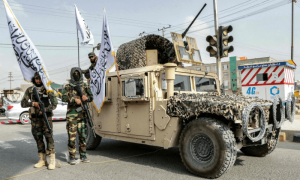
“We assess that the Taliban-led insurgency has diminished in some areas of Afghanistan but remains resilient and capable of challenging US and international goals,” according to the report.
The assessment was presented by National Intelligence Director James Clapper at a Senate hearing Tuesday.
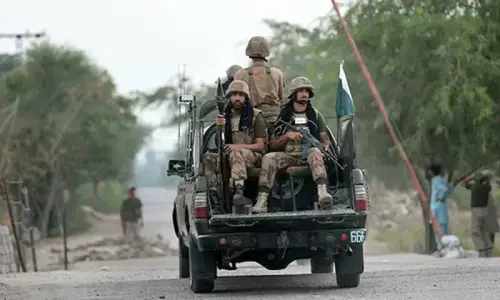
According to the document, the Taliban's leadership continues to shelter in cross-border sanctuaries in Pakistan, “which allows them to provide strategic guidance to the insurgency without fear for their safety.”
Progress in security was “especially fragile” in areas where large numbers of US-led forces were deployed as part of a troop surge in 2010. Those areas are now being handed over to Afghan government army and police.
The intelligence assessment contrasted with upbeat statements often put out by the Pentagon and its field commanders, which have touted major progress and painted the Taliban as severely damaged and divided.
The report to Congress said Afghan security forces had proven capable of safeguarding major cities and key roads near “government-controlled areas.”
But the Afghan air force, which is trying to build up a fleet of helicopters and small aircraft, has made little headway.
The report played down Al Qaeda's influence, saying the group had only limited reach and that it was mainly seeking propaganda victories rather than having a genuine impact on the battlefield.
Afghanistan's economy, which has grown steadily in recent years, is expected to slow after 2014, the report said, when international funds will begin tapering off after Nato forces pull out.
“Kabul has little hope of offsetting the coming drop in Western aid and military spending, which have fueled growth in the construction and services sectors,” it said.