8
8
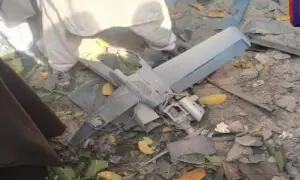
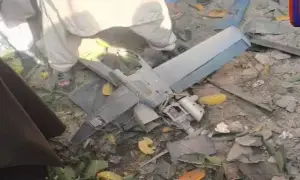
PERVEZ Musharraf’s admission on a foreign TV channel that Pakistan was in the know about US drone strikes inside this country during his rule only confirms what has been suspected for a long time. The retired general’s frank disclosure is in stark contrast to the state’s long-standing policy — including the period of Gen Musharraf’s rule — of denying any role in the drone war. The statement shows, among other things, that the state can be economical with the truth, showing one face in public, and another in private. There have been indications in the past about Pakistans knowledge of the strikes, such as WikiLeaks cables stating that the Americans kept the government informed, as well as the vacation by the US military of the Shamsi airbase in Balochistan in the aftermath of the Salala incident; the base was believed to be a launching pad for drone strikes. It is difficult to say when (and if) information-sharing on drones ceased, though the CIA is believed to have stopped obtaining advance Pakistani approval sometime in 2008. The Raymond Davis affair in 2011 further soured relations between the US and Pakistani intelligence set-ups, thus affecting how the drone war was being executed.
Regardless of when the Americans decided to go solo with drones, the fact remains that unilateral strikes create multiple problems for Pakistan. Their legal status is murky. There are no substantiated figures for collateral damage but estimates have suggested that hundreds of civilians have died in drone strikes, along with suspected militants. Collateral damage adds to creating more militants while unilateral strikes fuel anti-Americanism in Pakistan. The UN has taken serious note of the situation, with its special rapporteur on counterterrorism and human rights saying that the strikes violate Pakistan’s sovereignty. Within the US establishment itself, some senior officials have questioned the long-term effectiveness of the drone campaign.
Drones have taken out some high-profile militants, but they have arguably done more harm than good to counterterrorism efforts. If drones are needed, Pakistan must give its approval while the weapons must be used only in areas that cannot be accessed by Pakistani troops. If the drone campaign had tacit government approval during the Musharraf era the issue of violated sovereignty did not arise. That is why the Americans need to take Pakistan on board if drones are indispensable. Once there is cooperation, the government must take ownership of the drone war and tell the public why the strikes are necessary. Basically, more openness is required from both Washington and Islamabad.