ISLAMABAD, April 17: Extremism, terrorism and sectarianism are posing a challenge to the very existence of our country.
In Khyber Pakhtunkhwa (KP), a situation of internal insurgency exists and the army has been called to aid the civil administration.
These terrorist attacks are not isolated acts; they are a part of the war strategy against the state.
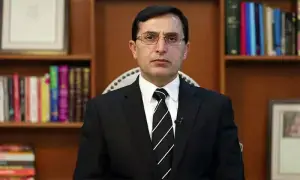
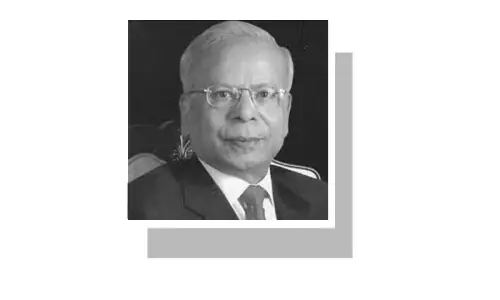
This was stated by Caretaker Federal Law Minister Ahmer Bilal Soofi while addressing a gathering at a local hotel on Wednesday, in which the Jinnah Institute launched a special report titled ‘Extremism Watch: Mapping Conflict Trends in Pakistan 2011-2012’.
He further said violence was an issue of the implementation of the constitution, as the fundamental rights of the people were being violated due to non-implementation of law.
He added that there were private armies in different parts of the country which were waging a war against the state.
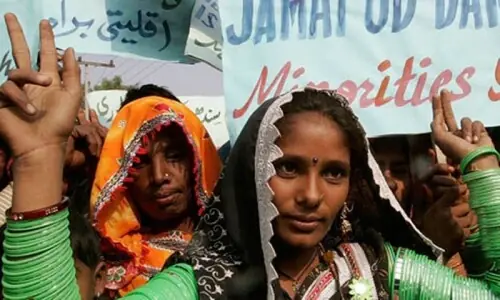
Columnist and human rights activist Marvi Sirmed highlighted the discrimination against Pakistan’s Hindu community.
“There is no limit to how badly Hindu low caste women are treated in Sindh. They do not have family laws protecting them, and it is impossible to prove whether a marriage or divorce had taken place because of the state’s policy of legal neglect,” she said.
Security analyst Imtiaz Gul said most political parties claim extremism is a sign of systemic failures that includes violation of the law by state institutions, but extremism was not a short-term phenomenon contained within a specific geography.
“If we don’t stand up to this challenge, Pakistan will remain isolated politically and socially,” he said.
Television anchor, Dr. Moeed Peerzada gave a historical overview of extremism in Pakistan, pinpointing moments in the 1970s when the Ahmadi community was declared non-Muslim.
“Decreasing polarisation between the Pakistani globalised elite and the religious right in Pakistan is necessary to curb extremism and ensure progress,” he observed.
Maulana Amin Shahidi of the Majlis-e-Wahdat-e-Muslimeen said there was an urgent need for sectarian harmony in the country, and violence against Shia Muslims needed to be checked.
He added that the civil and military institutions of the country should wake up and protect all Pakistani citizens irrespective of their faith, sect and creed.
The report highlighted incidents of religious extremism over the last 15 months, including attacks on Sufi shrines, Hazaras and other religious minorities.
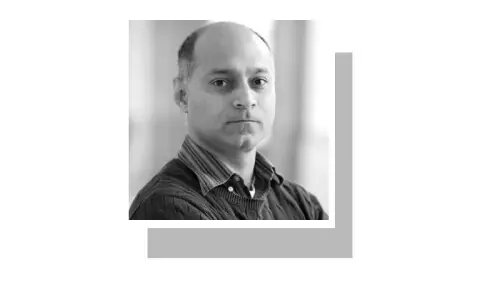
Raza Rumi, Director Jinnah Institute, said extremism was a long term trend due to mass indoctrination via textbooks, sermons and state policy.
He said the report recorded 379 incidents of extremism between October 2011 and December 2012, a 67pc rise over the 181 incidents recorded the previous year.
However, the number of casualties went down.
There were 559 killed and 718 injured across Pakistan this year, compared to the 534 killed and 1,391 injured in the previous year.
Raza Rumi said the highest number of deaths and injuries were seen in Balochistan, where a wave of violent sectarian attacks against the Shia community had left 190 people dead.
Sectarian violence was also responsible for the highest death toll across the country, with 525 people killed, he added.