One of the central characters in Charles Dickens novel “Great Expectations” is a woman frozen in time. Miss Havisham, we learn through the novel’s narrator is not old, but she is betrayed. Defrauded and abandoned by the one man she loved on the eve she was to be married, she has chosen to be eternally wed to her loss. She wears still her white wedding gown, now frayed and yellow. On her foot is one shoe, she got the news just as she was about to put on the other one. Her wedding cake, mouldy and decaying sits still on a table laid long ago for a wedding feast. Her half packed trunks lie about the room, never taken on the honeymoon that was meant to be, but that never was.
Pakistan, on election eve appears much like Miss Havisham, steeped just as much in denial, and haunted just as much by the memories of betrayals past. On television, and for most Pakistanis, the election is solely located inside the screen, anchors exhort, crowds chant and musical montages sing about patriotism and change and taking responsibility. The symbolism is prosaic and mediocre; a group of precocious children meant glibly to represent the “future” a tear sodden woman casting a ballot and a verve filled crowd braving its way to the polling station. The pictures are superficial and the emotions hollow, but all of them happily swallowed by a country so deeply steeped in denial, that to point out the lack of specifics in political promises, or the obstacles of structural impediments is not simply unpopular, it is idiotic. No one will listen, so heady is the fever of this force fed collectivism.
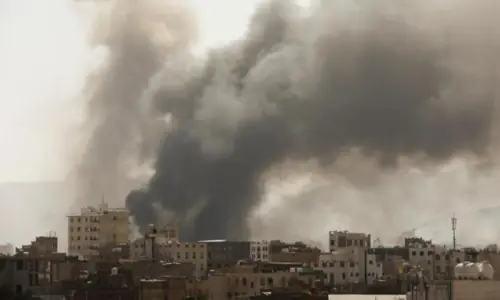
Like old Miss Havisham who sat at her dressing table, refusing to let time enter, refusing to change out of her wedding dress and refusing to see the horror of her situation; Pakistanis weep for an injured cricketer and a dead white tiger and forget the ordinary tragedies that surround them. This is the unity everyone yells about on Facebook and Twitter and over dinner conversations; the country is on the brink of change they agree. In the meantime, not one or two but six bombs go off in one, another and then another part of the country. A woman is raped in an alley and a child thrown into a drain, but no one has time for that, as they are busy being unified. A bedside speech is converted into a political advertisement, a misfortune catapults into the lead, and everyone continues to wear the old wedding gown, refuses to put on the other shoe. Like Miss Havisham ever the bride but never wed, Pakistanis have learned to speak the language of change, and of responsibility and even of revolution without ever learning the meaning of the words. Change is a slogan, Revolution a Facebook status and responsibility a tweet, or maybe two.
In my Karachi neighborhood there is a mosque. It is a simple place that has been there for years, watching stolidly as the people get older and younger and more numerous or less so. It has also watched its way through several elections and awaited the arrival of many iconic transformations that were vehemently promised but never came. At first, when the area was an outlying one, the alley around the mosque was clean, a few odd pieces of trash flying in the dusty air only now and then. With more people came more trash and the scant shred of refuse became small piles, lying in bits and corners outside the mosque. With even more people, and the pressures of commercialisation, the rapid comings and goings of the pious but hurried, the crowd in the mosque now reaches its very edges and overflows on Fridays. The trash heap outside the mosque has also grown, large and formidable, its stench and reek and reality invading undoubtedly the margins of a sacred space. Yet no one, in the mosque or outside the mosque or around the mosque recognises its presence, or makes the mistake of taking the responsibility for it. In collective denial, there is collective absolution. If none of us can see, if all of us are blind and insistently so, then indeed, we are united.
So unified by the power of our delusions, tomorrow some will vote and others will not. Those who will vote will imagine themselves better, even heroic for their troubles, Those who do not will be too poor, too hot, too worried, too female and also too silent. In the song singing, change chanting moment, there is no room to talk about the pile of trash outside the mosque, the outstanding IMF loans, the wedding dress worn for two decades, the groom that never came, the frauds of elections past and the tragedies of dead leaders. In Dickens’s novel, Miss Havisham never really changes. Frayed and yellowed, her nuptial garment catches fire and she and it are burned to death, frozen still in their denials and beyond rescue by any hero. But Dickens’s Great Expectations was fiction and Pakistan is a reality and tomorrow there is an election, and after that everything will change.