0
0

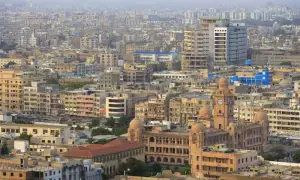
QUETTA: Most parts of Pakistan saw major shakeups in political parties’ positions, and Balochistan was no exception.
In the troubled province, nationalist parties seem to have emerged as the strongest political players according to the unofficial results of the 2013 elections.
The Baloch nationalist group, National Party (NP), got eight provincial assembly seats and two national assembly seats. Similarly, the Pakhtunkhwa Milli Awami Party (PkMAP) secured 10 provincial assembly and three national assembly seats while emerging as the largest parliamentary group in the province.
PkMAP won four provincial assembly seats in Quetta city, while PML-N and Majlas Wahdat ul Muslimeen (MWM) each won one seat. However, the Balochistan National Party led by Baloch nationalist leader Sardar Akhtar Mengal refused to accept PkMAP’s victory and termed it a conspiracy to keep BNP away from parliament.
BNP chief Mengal said that his party would not accept the election results and that his party's victory was ‘turned into’ a defeat deliberately, on two provincial assembly seats, by returning officers.
PkMAP chief Mehmood Achakzai won two national assembly seats from Quetta and his hometown Chaman. Achakzai's victory in Quetta seems to be the result of his party’s stance and criticism of targeted killings of Punjabis and Hazaras. It was mostly settlers who voted for Achakzai on NA-259.
According to unofficial results, PML-N won eight provincial assembly seats in Balochistan. PML-N had already unconditionally backed Achakzai for the NA seat in Quetta. Nawaz Sharif and also have strong ties, so an alliance between them appears to be natural when it comes to formation of the future government in Balochistan.
Nawaz also happens to get along well with Dr. Malik Baloch and Senator Hasil Bizenjo of NP. Chances for a coalition government between the three seem strong.
Interestingly, the former ruling party PPP could not retain a single seat in Balochistan whereas the evergreen JUI-F of Fazlur Rehman retained six seats in the Pakhtun-dominated areas of Balochistan. JUI-F will prefer to sit on the opposition benches since the party has remained in power for the last ten years in Balochistan with a lion’s share in the provincial government. Voter turnout was low in Baloch areas and a candidate from Awaran won the provincial assembly seat with just six hundred and forty votes. Baloch separatists had opposed the elections and shutter down and wheel jam strikes were observed for three days on the call of Baloch National Front. However, the turn out in Quetta and other Pakthun-dominated areas was high.