6
6
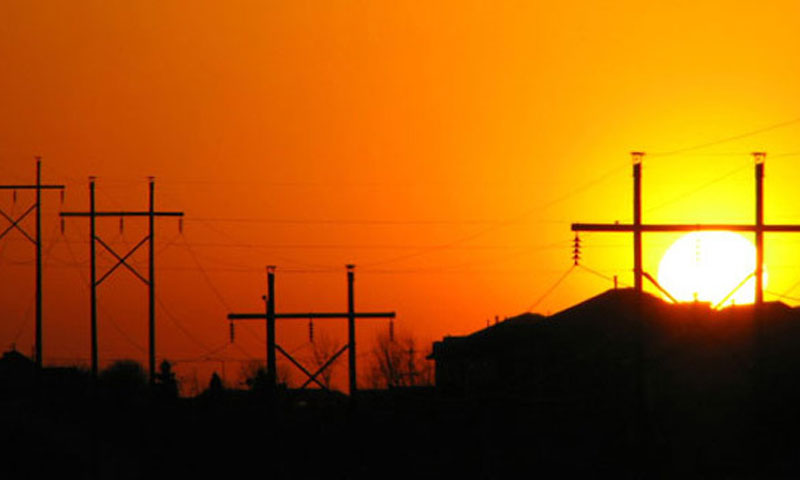

IT should now be sufficiently clear that the outcome of the election has hinged, more than anything else, on the power crisis. More than the handouts of income-support programmes, it has been electricity and gas shortages that have played a decisive part in the electoral defeat of the PPP. The growing difficulties that Pakistan is having in providing electricity to the common man, and in meeting its requirements of primary energy, are becoming a key test for governments; it is an issue perhaps more fundamental than anything else because it touches so intensely and so universally on the lives of so many. Taking this task lightly, and it can be argued that the PPP-led government did indeed take its responsibilities in this area lightly, would be a serious mistake.
For the incoming government of Nawaz Sharif, the real test lies in this area. The job ahead for the PML-N is not an easy one. What we call the power crisis is in fact a complex, multidimensional crisis of governance and fiscal affairs. It is technical in nature only to the extent that improving powerhouse efficiencies and bringing down line losses can help wring a few more megawatts out of the outdated generation and transmission system. It is as much a ‘software’ issue, in the sense that realigning incentives, bringing about transparency and choking off spaces for discretionary decision-making in the power bureaucracy are equally a part of the job. A comprehensive approach is required at this point, one which aims to improve the finances of the power bureaucracy through improving recoveries and improving transparency so that we know where the money is going and where the electricity is being delivered.
If after 100 days in office, Mr Sharif should find himself chairing a meeting attended by the MD, PSO and the secretaries of finance, petroleum, water and power along with their respective ministers — and the whole objective of the meeting is to arrange money for PSO to pay for its next shipment of furnace oil — he should understand that he is on the road to breaking his campaign promise to eliminate loadshedding in two years. We don’t need more ‘energy summits’ nor do we need any more ad hoc announcements of energy conservation measures that everybody knows are not going to be fulfilled. What we need is fundamental reform, and if the new government cannot start delivering on that immediately, they might as well start pack-ing their bags on the 101st day.