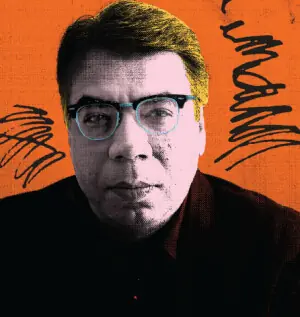
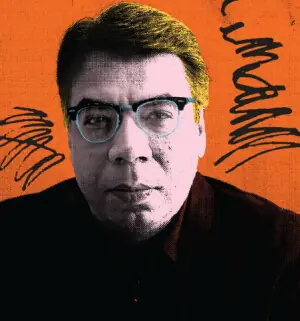
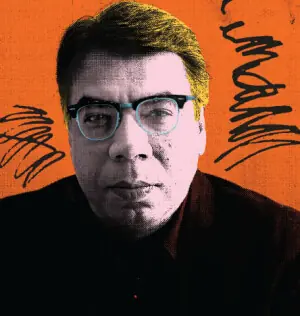
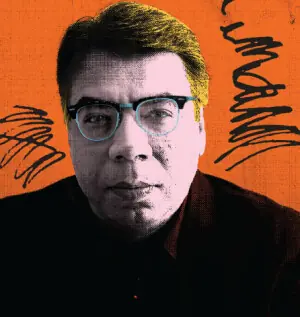
Nadeem F. Paracha is a researcher and senior columnist for Dawn Newspaper and Dawn.com. He is also the author of ten books on the social and political history of Pakistan.
For decades, Pakistani historians who challenged the state’s narrative faced censorship, exile, isolation and financial ruin.
Updated31 May, 202609:54am
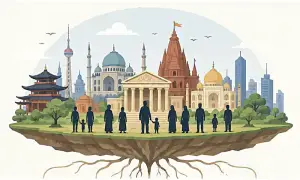
Changing dynamics within the country and in the region are pushing Pakistan towards a different imagination of itself — as the modern inheritor of the ancient Indus civilisation.

Updated24 May, 202610:05am
The rise of Nigel Farage and Reform UK demonstrates how modern populists are constructed through strategic narratives of decline, grievance and cultural anxiety.
Published17 May, 202608:07am
As countries such as Pakistan and Saudi Arabia move away from past Islamist frameworks, a new, more pragmatic regional identity is emerging.
Updated19 Apr, 202609:54am
From acclaimed Holocaust dramas to nationalist blockbusters, the strategic revival of past trauma can influence public perception.
Updated29 Mar, 202612:21pm
Country’s current political trajectory suggest that concessions to a populist leader may deepen, rather than resolve, Pakistan’s structural instability.
Updated21 Mar, 202609:05am
From Instagram’s aesthetic amnesia to X’s algorithmic hysteria, social media platforms have stripped away the concept of a common public square and have fractured collective awareness.
Published08 Mar, 202608:50am
Contemporary populism is not a rebellion of the downtrodden but a power struggle between rival elites who weaponise moral rhetoric and algorithmic crowds in order to become political brands.
Published01 Mar, 202607:51am
From Pakistan in 1977 to Bangladesh in 2026, when loosely organised reformists align with disciplined Islamist forces, the ‘revolution’ rarely ends as they imagine.
Updated22 Feb, 202609:56am
Failed ideologies often enter a “zombie state”, becoming a set of hollow rituals and rhetoric, cut off from reality. But persistent political anxieties express themselves in this void with monsters of their times.
Updated15 Feb, 202610:08am
From Afghan militancy in the 1980s and 1990s to the Middle East’s sectarian militias and from Africa to Balochistan, modern history is filled with states that created violent proxies, only for them to become existential threats to themselves.
Published08 Feb, 202607:39am
The survival of holy texts in the aftermath of natural catastrophes is often termed "Divine protection", revealing the cultural and spiritual narratives people love to attach to such instances.
Published01 Feb, 202607:00am
As political narratives lose their grip, governance across the world is increasingly being shaped by pragmatism, data and outcomes rather than dogma.
Published25 Jan, 202606:03am